Dec. 17, 2025
When photovoltaics and buildings are integrated, BIPV is reshaping our imagination of roofs and curtain walls. Gain Solar's professional technical team has already shared a lot of knowledge about BIPV technology on the Gain Solar Blog. So, do you know how this green building material that can generate electricity is born in a modern workshop? Today, let's step into the intelligent BIPV production line to find out!
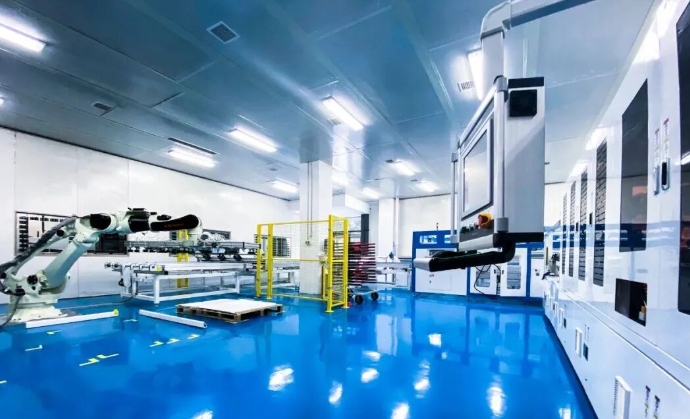
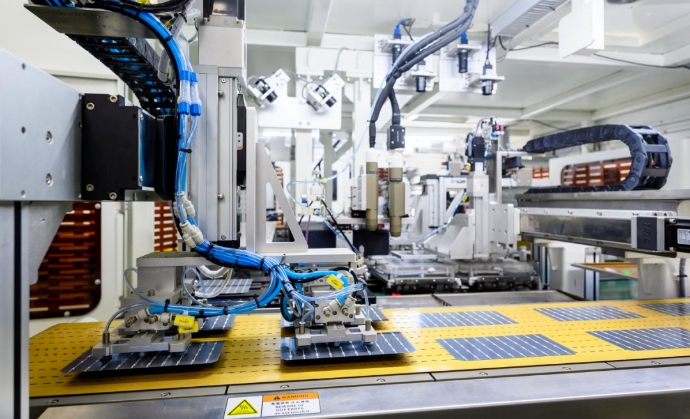
Automated stringing machines precisely weld qualified solar cells into strings, weaving a tiny "energy network." Laser scribing technology then precisely cuts the cells according to design requirements to adapt to the shapes of different building components.
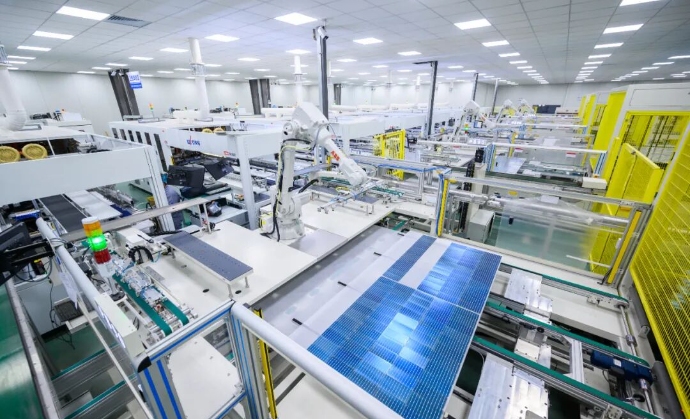
The welded solar cell strings are layered with the encapsulated glass film, forming a building material "sandwich." Using specialized equipment such as EL (Elastic Optical Array), defective cells are removed, ensuring that each "heart" is powerful and efficient.
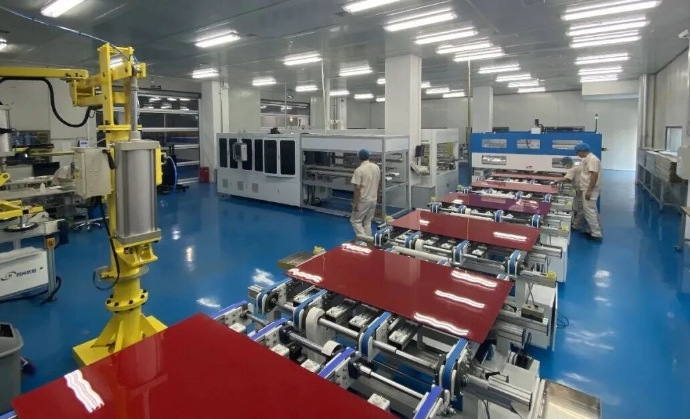
This is a crucial step in giving BIPV (Building Integrated Photovoltaic) building materials life. Inside the laminator, glass, PVB film, solar cell strings, and glass are stacked in that order. Under high temperature and pressure, they are compressed into a strong, sealed whole, ensuring the product has excellent power generation performance and decades of durability.
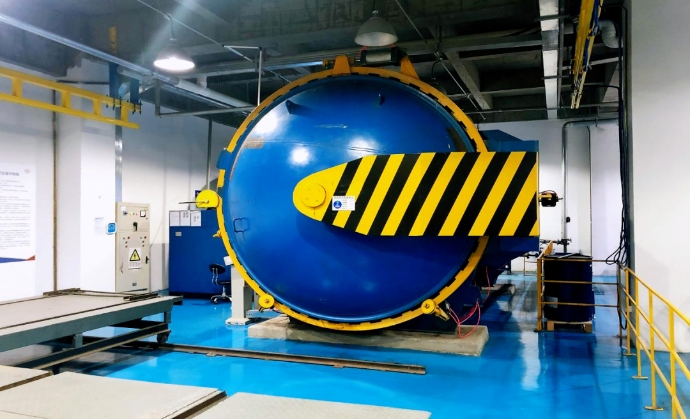
To further enhance structural strength and durability, the formed laminates are placed in an autoclave for secondary high-temperature fusion reinforcement, making them even more capable of meeting the stringent requirements of building materials.
Finally, every BIPV unit must pass rigorous performance testing and visual inspection before being packaged and shipped. Three core tests are crucial for building a robust quality defense:
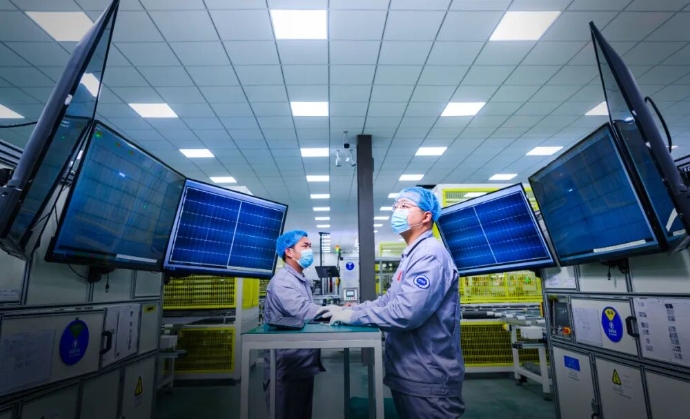
By applying a weak current to the battery module and capturing the image with specialized equipment, this test accurately identifies hidden defects such as cracks, poor soldering, broken grids, and microcracks within the module, ensuring the integrity of the internal structure and preventing power generation efficiency losses at the source.
Simulating different light intensities and temperature environments, this test accurately measures the module's open-circuit voltage, short-circuit current, maximum power, and other core electrical performance parameters. This not only verifies whether the module's actual power generation capacity meets standards but also provides accurate data support for subsequent building energy planning, ensuring that every BIPV unit can stably output clean electricity.
By applying a specified high voltage, this test examines the insulation performance between the module's outer casing and internal circuitry. As a building component, BIPV directly contacts the building structure and the external environment. This test effectively avoids the risks of leakage and electric shock, ensuring the product has extremely high electrical safety during long-term use and meeting stringent building safety standards.
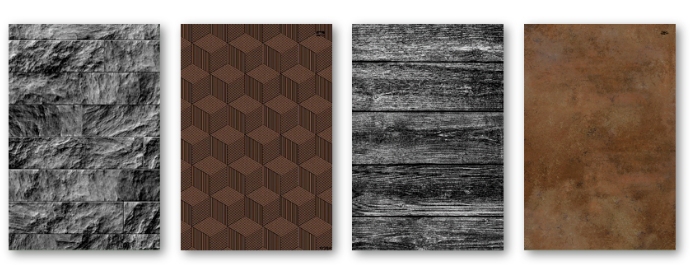
From a fragile solar cell to a robust and durable green building material, BIPV production is the culmination of precision manufacturing and smart technology. It is not only a carrier of green energy but also the skin and skeleton of future buildings, injecting a continuous stream of clean energy into cities!