bipv korea
Building integrated photovoltaic: solar building integrated power generation system
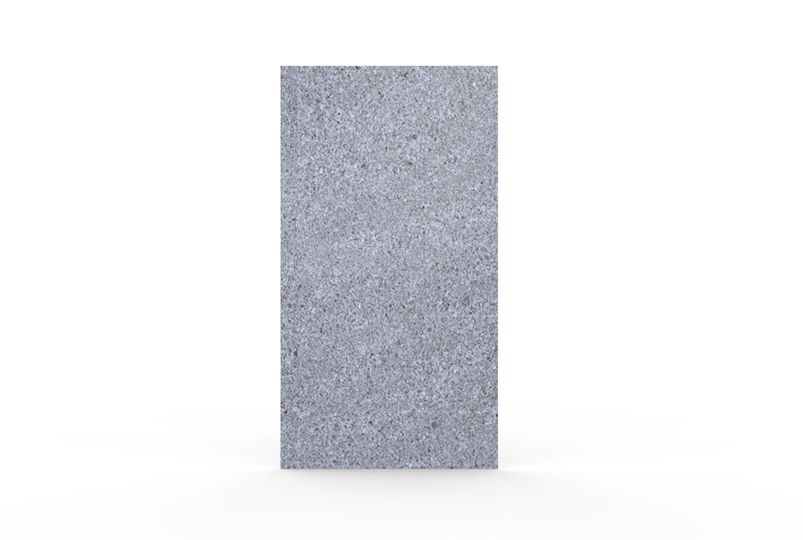
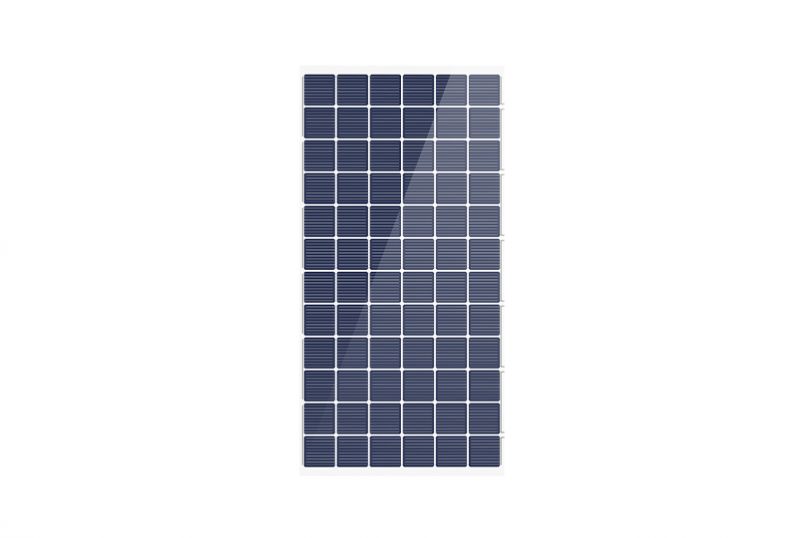
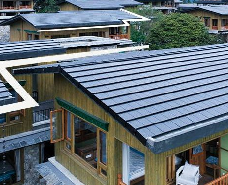
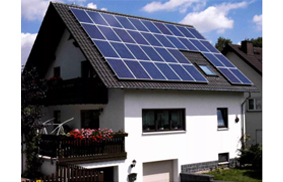
BIPV, or Building Integrated Solar Materials, is used to replace the application of traditional building materials in parts of the building envelope (such as roofs, skylights or exterior walls). While this technology can be applied to retrofit existing buildings, its main trend is to be incorporated into new construction projects to serve as a primary or secondary power source. Building-integrated photovoltaics (BIPV) offer unique advantages over traditional non-integrated solar systems, where BIPV modules are able to offset the initial investment by reducing the cost of building materials and labor typically used to construct the parts being replaced. It is these advantages that make BIPV one of the fastest growing areas in the solar energy field.
News
FAQ
What happens if I generate more solar power than I use?
If you generate more than you consume, you can feed it back to the electricity grid, for which you receive a compensation. This makes the netting arrangement in the Netherlands possible.
Does it still make sense to take solar panels now that the netting may not take place and something will take its place?
It remains useful to have solar panels installed, despite the fact that the netting scheme changes. If the solar panels are purchased before 2023, you will benefit from the maximum netting percentage (100%) until 2031. After 2023, this percentage will decrease, but it will still be attractive to install solar panels on your roof. This calculation has been worked out here: Solar panels: less netting, yet attractive | Environment Central
Can the roof of my house collapse by installing a solar energy installation?
Before you decide to have a solar energy installation installed, it is wise to have a constructor assess whether your roof is strong enough to install a solar energy installation.
If I get a fire from my solar panels, what should I do? Is the installer liable?
The chance that a fire will start due to a solar power system is very small (0.0023%). Who can be held liable in such a case differs per situation. If it turns out that the installer has been negligent in the installation of the solar panels, the installer is liable. If you have solar panels installed, it is wise to take out building insurance.
bipv korea
●Aesthetics: Korean customers may be concerned about the appearance of BIPV solutions, as BIPV allows solar panels to be integrated with the building structure, providing a more aesthetic and modern appearance.
●Energy efficiency and environmental protection: South Korea pays high attention to energy efficiency and environmental protection issues. As a renewable energy solution, BIPV can provide clean energy for buildings and meet local sustainable development requirements.
●Technological innovation: South Korea has strong strength in technological innovation, so customers may be interested in the innovative and advanced nature of BIPV technology. They may seek to adopt the latest BIPV technology to ensure system performance and reliability.
●Economic benefits: Customers may focus on the economic benefits of BIPV systems, including long-term return on investment (ROI), reduced energy costs and possible government incentives.
●Building Integration: BIPV systems need to be coordinated with the building structure, not just added to the building surface. Customers may be concerned about how the BIPV system is integrated into the building design and its impact on the integrity of the building.
Related Information
Contact Us