For commercial building owners, developers, and architects, the question is not simply which solar technology produces more electricity. It is which solution makes the best use of available surfaces, construction budgets, and long-term operating requirements.
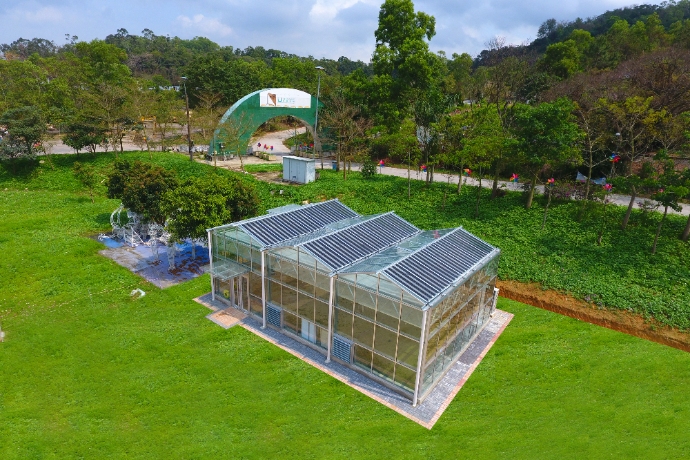
The challenge is finding the right balance. Solar skylights do not transmit as much light as conventional clear glass in every configuration, but careful material selection and architectural design can preserve useful daylight while generating electricity.
A practical BIPV project therefore requires coordination between architectural design, photovoltaic engineering, structural requirements, and building-energy management.
For architects, developers, and building owners, selecting between the two should be based on the project's solar resource, building design, energy demand, daylight requirements, structural conditions, budget, and long-term maintenance strategy rather than on a single performance metric.
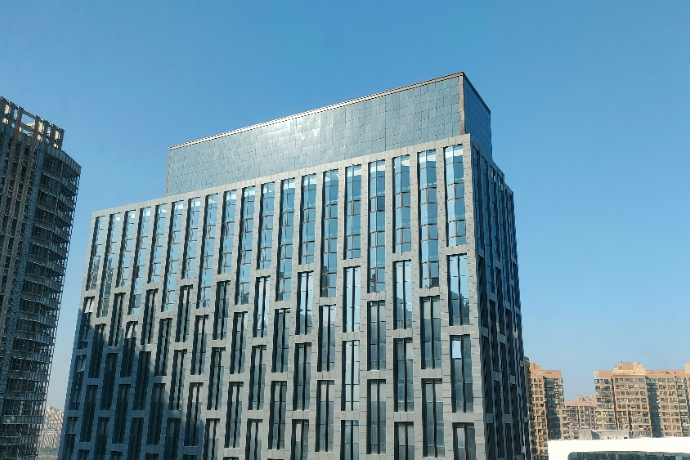
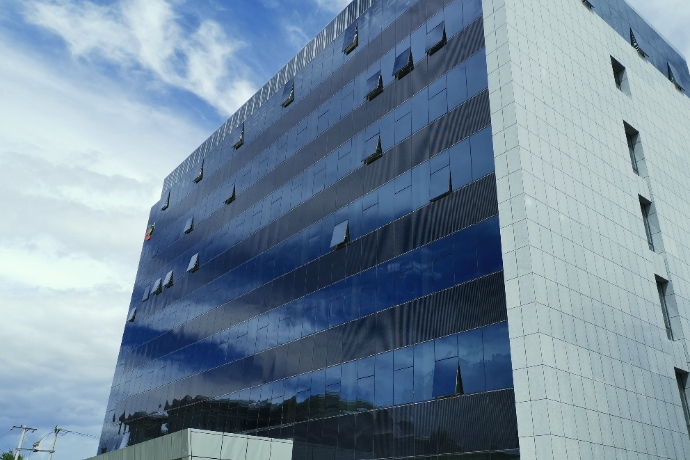
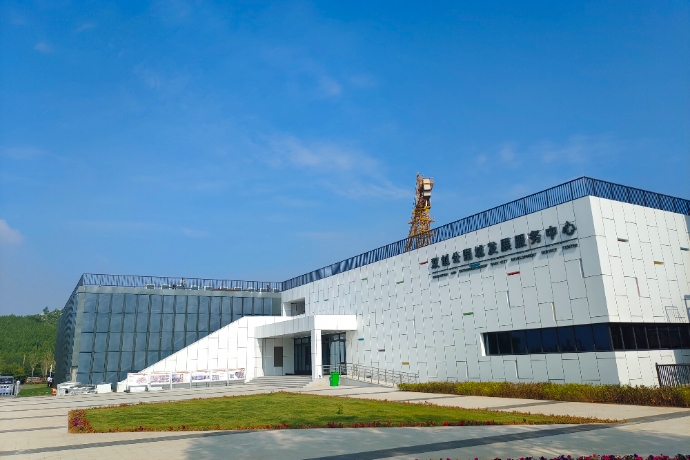
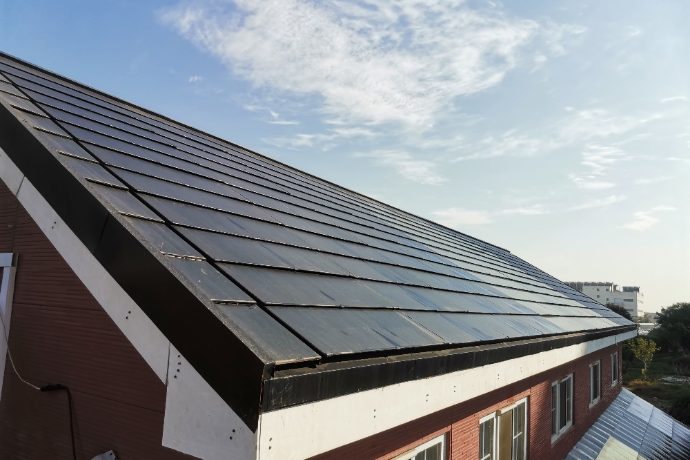
In a BIPV project, the solar module may become the roof surface, façade panel, shading element, or exterior cladding.
For architects, developers, builders, and property owners, this dual function gives BIPV a stronger role in new construction. It is not only a renewable energy product. It is also a building material, design element, and compliance-supporting technology.
According to IEA PVPS, BIPV can transform buildings into renewable energy generators by integrating solar technology into roofs, façades, and external structures while maintaining architectural design standards.
As a general market reference, EnergySage reports that a 12 kW traditional solar panel system averages about $31,135 before incentives in 2026, while solar shingles can cost roughly 60% to 190% more than solar panels for the same power output.