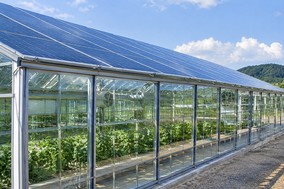
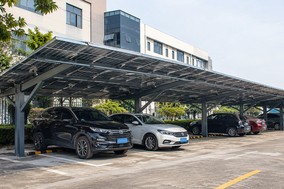
Before selecting modules, growers and project teams should review the growing operation, the available installation areas and the building's existing conditions. The aim is to give designers enough information to compare practical options without assuming that one layout will work for every site.
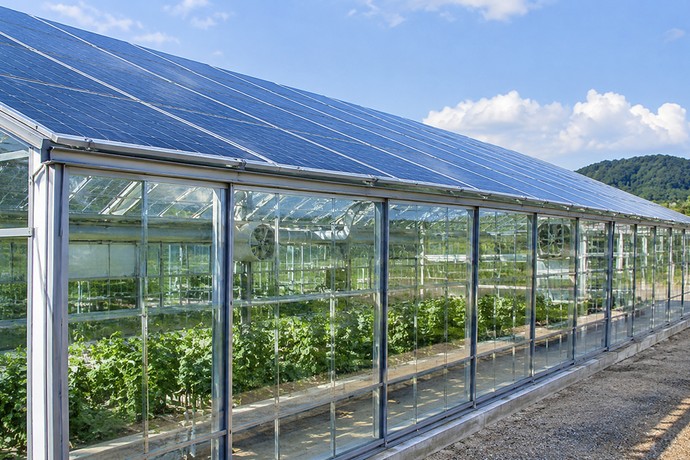
Solar PV, Solar Heat and Passive Greenhouse Design
Not every solar greenhouse approach produces electricity. Photovoltaic (PV) panels generate electricity that can be used by suitable equipment. Solar thermal systems collect heat, while passive greenhouse design makes use of building features and sunlight without necessarily generating electrical power.
The distinction helps define the project brief. A grower looking to run pumps or fans has an electrical requirement; a grower seeking to manage heat should also assess the building, heating equipment and operating schedule. The approaches may be considered together, but a PV panel alone does not guarantee that a greenhouse will remain warm overnight.
Start With the Growing Operation
Greenhouses differ in the crops they grow, the seasons in which they operate and the way their internal climate is managed. A nursery with changing plant varieties may have different needs from a facility growing the same crop throughout the year.
Before discussing panel coverage, record the crops or activities in each area and ask the growing team which spaces are most sensitive to changes in daylight. Existing shade screens, surrounding buildings, trees and seasonal changes should also be considered. An agricultural specialist can help establish the criteria appropriate to the crops and location.
This step matters whether the proposed photovoltaic system is integrated into the greenhouse or mounted nearby. The relevant question is not simply whether a panel transmits light, but what light reaches the growing area under the actual design and operating conditions.
Identify Where Electricity Is Used
Review the greenhouse's electricity bills or operating records alongside its daily and seasonal activities. Depending on the facility, electricity may be used for ventilation, irrigation, controls, lighting or other equipment.
Look at when demand occurs as well as the total amount consumed. Solar generation varies with sunlight, while some greenhouse loads may operate outside daylight hours. A project designer can use available demand information to assess how much generation might be used on site and whether other equipment should be considered.
Storage, export and grid connection are separate project decisions. Their feasibility, cost and permissions depend on the site and should not be assumed from the size of the proposed panel array.
Distinguish Power From Energy
For an initial equipment inventory, list each device's rated power and approximate operating hours for a representative day. Multiplying power in kilowatts by operating hours gives a preliminary energy estimate in kilowatt-hours; repeat this for relevant devices and add the results. Where usage changes by season, prepare separate estimates rather than relying on one annual average.
This calculation helps describe demand, but it is not a final system design. Motor starting requirements, changing weather, system losses and the times at which equipment operates also matter. An electrical designer should assess these conditions, including any requirement for backup operation.
Compare Possible Installation Areas
There are several ways a greenhouse project might accommodate photovoltaic panels. Their suitability depends on the structure, growing requirements and available space.
| Possible arrangement | Question to assess |
|---|---|
| Panels integrated into part of a greenhouse roof | Can the proposed building element meet the roof's functions while allowing the required growing conditions? |
| Panels mounted above an existing roof | Can the existing structure and roof accommodate the proposed system, and how will shading and maintenance be managed? |
| Panels on a separate roof or suitable adjacent area | Is another installation area available, and how will it connect to the greenhouse's electrical system? |
These are options for investigation, not interchangeable recommendations. An existing greenhouse needs an assessment of its structural capacity and roof condition; a new greenhouse allows some choices to be considered earlier in the design.
When comparing an integrated roof element with panels proposed for a separate area, the team can review the BIPV product information alongside the solar panel range. Product documents and the intended application should be checked before assuming that either is suitable for the greenhouse.
Compare the Actual Product, Not Just Its Technology Label
Conventional crystalline panels, thin-film products and light-transmitting photovoltaic elements can differ in appearance and performance. Technology names alone do not establish a product's weight, light transmission, weather resistance or suitability for a greenhouse roof. Request current data for the proposed configuration, including its dimensions, electrical ratings and installation requirements.
Where panels would cover growing space, ask how the proposed layout affects light distribution as well as electricity production. Where panels are placed on a separate building or suitable adjacent area, consider the available land, connection route and any shading they may create. Neither approach is automatically preferable without a site assessment.
Assess the Effect on Available Light
The location, size and arrangement of panels can affect the distribution of sunlight inside a greenhouse. The effect may differ by time of day, season, crop position and local conditions. Project teams should therefore examine the proposed layout rather than rely on a general claim that solar panels either help or harm plant growth.
Where a light-transmitting photovoltaic product is being considered, ask for the relevant product information for the proposed configuration. The team can then evaluate it alongside the greenhouse design and crop requirements. Product appearance in a photograph alone is not enough to establish the light available to plants.
For a like-for-like comparison, use the same greenhouse plan and growing assumptions for each proposal. Record the proposed panel positions, areas left unobstructed and existing shade assumptions, then ask a growing specialist whether the information is sufficient to assess the affected crop zones. Separate product data from conclusions that require a site-specific assessment.
If significant uncertainty remains, discuss whether a daylight assessment, staged trial or other evaluation is appropriate before committing to a full installation. Agree any assessment criteria with the grower and relevant specialists; do not assume identical results across crops or locations.
Check Structural and Electrical Interfaces
The greenhouse must support the proposed installation and continue to perform its intended building functions. Designers should review the structure, attachment points, weather protection and access for inspection. The requirements will depend on the roof type, installation method and site.
The electrical design must also account for cable routing, equipment locations and connection to the facility. Electrical work and building assessments should be carried out by appropriately qualified professionals in accordance with applicable local requirements.
Gain Solar includes greenhouse applications among its broader BIPV project information. Whether a particular product is available and suitable for a specific greenhouse should be confirmed using current product documents and project drawings.
The company's agricultural BIPV project listings include the Guilinyang National Tropical Agriculture Park; its design conditions should not be assumed to match a new greenhouse project.
Consider Night-Time Loads and Operating Limits
PV output changes with sunlight, while greenhouse equipment may be needed at night or during poor weather. If ventilation, irrigation or controls are critical, identify the periods when they must remain available and discuss the required power source with the electrical designer.
Grid connection and batteries are possible elements of a wider system, but a battery does not by itself establish that the installation can supply a building during an outage. Backup operation requires suitable system design and equipment. Any quotation should clearly identify what is included and what remains the responsibility of others.
Alongside electricity generation, assess the greenhouse's existing operating measures, such as insulation, ventilation and equipment schedules. Their suitability depends on the growing operation; a solar system should not be treated as a substitute for a properly designed greenhouse environment.
Prepare a Practical Initial Enquiry
Before requesting product information, gather the details that are already available:
Project location and whether the greenhouse is existing or planned;
Drawings or approximate dimensions of the proposed areas;
Crops, growing areas and any known daylight constraints;
Available electricity consumption information and intended use of solar power;
The desired scope: photovoltaic products, design input or other work;
Project stage and questions requiring specialist assessment.
It is equally useful to identify what remains unknown. A supplier can then explain which product documents are available, while the project's agricultural, structural and electrical specialists evaluate the complete proposal.
Finding the Right Balance
Solar generation and greenhouse growing conditions should be evaluated together, not as separate decisions. By defining crop requirements, comparing suitable installation areas and checking the existing structure, a project team can identify the questions that matter before selecting a product.
For an initial discussion about photovoltaic products for a greenhouse project, contact Gain Solar with the available project information and intended application. Product suitability and supply scope should be confirmed for the specific project.