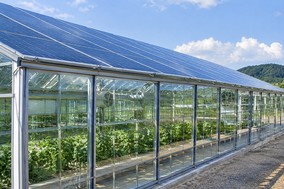
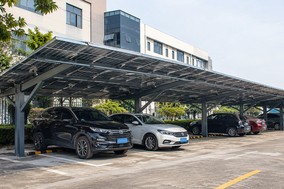
The first procurement task is to establish what is being purchased and who is responsible for each interface. A consistent scope of enquiry helps parking-site owners, developers and EPC contractors compare proposals on a like-for-like basis.
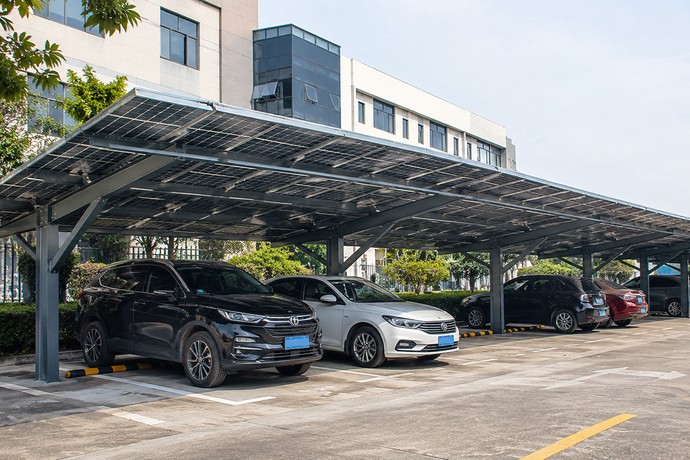
Define the Procurement Package
Start by deciding whether the enquiry is for photovoltaic products, a canopy system, installation work or a broader project package. A supplier may offer one or more of these, but the exact scope should be stated in its proposal.
For example, a module supplier's offer may include the photovoltaic products and associated data sheets, while another contractor supplies the canopy structure. A separate electrical contractor may be responsible for wiring and commissioning. The actual arrangement depends on the project's contracts and the suppliers' confirmed capabilities.
Do not infer that delivery, installation or long-term maintenance is included simply because a supplier discusses solar carport applications on its website.
Give Suppliers a Consistent Site Brief
Provide each bidder with the same information where possible. A site plan and an explanation of the proposed parking use are a useful starting point. The brief should distinguish confirmed information from items that still require a survey or design decision.
Relevant details can include:
Project location and the proposed covered parking area;
Parking layout, vehicle access, pedestrian routes and required clearances;
Known shading from surrounding buildings or other obstacles;
Available drawings and information about existing underground services;
The intended use of electricity and the location of the building connection;
The desired procurement scope and project stage.
At an early stage, bidders may need to use assumptions. Ask them to list those assumptions explicitly so the project team can compare offers and identify where additional information is required.
Compare Layout Assumptions in Each Quote
When offers cover different layouts, the quoted system capacity and price may not describe the same purchase. Ask each bidder to mark its assumed canopy footprint, support locations and module arrangement on the same site plan, and identify any parking spaces or access routes affected by that assumption.
Record whether charging equipment is included or excluded and who is responsible for reviewing its connection. Differences in layout or scope should be resolved before ranking offers by price; final designs and site constraints remain subject to the project team's assessment.
Create a Responsibility Matrix
A simple matrix helps the buyer and its appointed project manager identify whether every task has an owner. The following items are examples to tailor to the project rather than a fixed allocation of responsibilities.
| Work package | Questions to resolve |
|---|---|
| Site and ground assessment | Who checks the site, underground services and foundation conditions? |
| Canopy structure | Who designs, supplies and installs the supporting system? |
| Photovoltaic modules | Which products, quantities and product documents are included? |
| Electrical system | Who designs and installs cabling, inverters and protection equipment? |
| Connection and permissions | Who coordinates applications with the relevant local and network parties? |
| Commissioning and handover | Who tests the system and provides final records? |
Where a task is excluded from every offer, the project team can appoint the appropriate party before contracting. Where two offers include the same task, the scope can be clarified to avoid paying twice. Record the owner and expected delivery date for interface documents: for example, the structural designer needs the selected module dimensions and support requirements, while the electrical designer needs the applicable electrical data. If the proposed product changes, establish who will review the effect on each design.
Compare the Product Information
For the photovoltaic portion, request the data sheet and installation information for the actual proposed product, and verify that each bidder has identified the configuration used in its offer.
Ask whether the proposal includes only modules or also includes any electrical accessories. If product configurations differ between bidders, make sure their quantities and assumed layout are visible in the comparison. A total price without a component list may be difficult to evaluate.
Gain Solar describes photovoltaic products for parking applications on its solar carport application page. Availability and the scope offered for a particular project should be confirmed directly.
When reviewing the module package, the solar panel product information can provide a starting point; the bidder should identify the specific product documents applicable to its offer.
Ask bidders to identify optional items separately from their base offer. The buyer can then compare the same defined package, while retaining visibility of alternatives that may be needed after site assessment. Any revised scope, delivery conditions or price must be confirmed in the relevant proposal or contract.
Review Design Assumptions and Project Evidence
Estimated energy output depends on the final layout, location, orientation, shade and electrical design. If bidders provide estimates, ask them to state their assumptions. Estimates made on different layouts or with different exclusions should not be compared as though they describe the same system.
Request the test and certification documentation relevant to the proposed products and intended market. The project's qualified designers should determine the requirements applicable to the complete structure and electrical installation. Product evidence should not be treated as automatic approval of the entire carport.
Compare the Financial Assumptions
A meaningful project comparison should show more than the price of the photovoltaic modules. Ask each bidder to identify the costs included for structure, foundations, electrical work, delivery and commissioning, as well as any items left for another contractor. A proposal may also need to account for ongoing operation, maintenance and replacement costs where relevant.
If an offer includes an estimated payback or electricity saving, ask for the assumed installation cost, estimated generation, proportion used on site, electricity prices and any export or financing assumptions. These figures depend on the project and may change over time; a supplier's illustration is not a guaranteed return. Compare scenarios using the same assumptions and have the project team check local commercial and connection conditions before making a decision.
Check Delivery, Handover and Maintenance
Ask each bidder to identify the proposed delivery destination, commercial terms and any dependencies on approved drawings or site readiness. Do not assume that transport, unloading or site storage is included unless the offer says so.
Before contracts are finalised, clarify who will provide operating documents, who handles product warranty claims and who is responsible for structural and electrical maintenance. The owner should also understand how future access to the installation will be arranged without unnecessarily disrupting parking operations.
Warranty periods, response times and service areas should be confirmed in the applicable documents. They may differ by product, supplier and contract.
For background on uses of parking-area solar generation, the existing article on why solar carports are popular covers the broader application; the checks above focus on defining the project scope.
Prepare the First Enquiry
A practical first enquiry includes a site location, parking plan, approximate project scope, available drawings and intended use of the electricity. It should also list unresolved questions, such as whether the canopy structure or electrical contractor has already been selected.
For context when preparing the brief, Gain Solar's PV parking page lists parking-related applications, including the Smart Changshu Carport. The scope for a new project still needs to be agreed separately.
For a project requiring photovoltaic products, contact Gain Solar with the available project information. The product options and proposed supply scope can then be confirmed for that enquiry.