Apr. 22, 2026
· Replace solar panels with a more integrated solution: Solar roof tiles generate power while functioning as your roof.
· Clean, modern appearance: No bulky panels—just a sleek, uniform roofline.
· Built to last: Designed for durability, weather resistance, and long-term performance.
· Higher upfront cost, but strong long-term value: Especially when combined with a roof replacement.
· Planning matters: Design, installation, and roof conditions all play a critical role in success.
Traditional rooftop solar panels have helped millions of homeowners lower their energy bills and reduce their carbon emission. But let’s be honest—while they work well, they’re not always the most visually appealing solution. Large, raised panels can disrupt the look of a home, and the installation process can be somewhat troublesome.
That’s where a new alternative is gaining attention: Roof solar tiles, also known as Solar roof tiles or Integrated solar roof systems.
Instead of mounting panels on top of your roof, these systems become part of your roof. If you're exploring ways to Replace solar panels or planning a new home, this approach offers a fundamentally different—and often more elegant—solution.
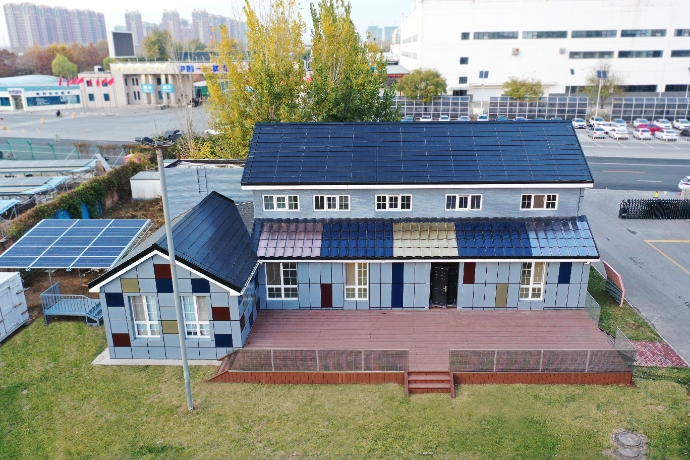
Gain Solar Solar Roof Tile Installation Project
At their core, solar roof tiles are roofing materials with built-in solar technology. They look similar to traditional shingles or tiles but contain photovoltaic cells that generate electricity from sunlight.
In simple terms, they do two jobs at once:
· Protect your home like a standard roof
· Produce clean energy like solar panels
This dual functionality is what defines an Integrated solar roof
Unlike traditional systems, where solar is an “add-on,” solar tiles are part of the structure from the very beginning.
With conventional solar panels, the process typically looks like this:
1. Install or keep your existing roof
2. Add a mounting system on top
3. Attach solar panels above the roof surface
It works—but it’s layered, both visually and structurally.
Solar roof tiles simplify this by removing the extra layer altogether. They:
· Replace your existing roofing materials
· Sit flush with the roofline
· Eliminate the need for racks and mounts
The result is a cleaner, more cohesive design.
Another major difference is timing.
Traditional panels are usually installed after the roof is finished. In contrast, Roof solar tiles are installed as the roof itself—making them ideal for:
· New construction projects
· Full roof replacements
Because they’re integrated from the start, there’s less need for drilling, sealing, and retrofitting later on.
With traditional panels, wiring and components are often visible or mounted externally. Solar roof tiles keep things more discreet:
· Wiring is hidden beneath the tiles
· Systems often use microinverters or optimized layouts
· The overall setup looks cleaner and more streamlined
For many homeowners, appearance is a deciding factor.
Traditional panels can stand out—sometimes in ways that don’t complement the home’s design. Solar roof tiles, on the other hand, are designed to blend in:
· They mimic materials like slate or clay
· They create a uniform, polished look
· They’re often barely noticeable from the street
If curb appeal is important to you, this alone can be a compelling reason to Replace solar panels with a more integrated solution.
An Integrated solar roof isn’t just a functional upgrade—it’s often seen as a premium feature.
Buyers increasingly value homes that:
· Are energy-efficient
· Have modern, low-profile solar solutions
· Don’t require immediate upgrades or renovations
In many cases, this can translate into higher resale value and faster sales.
Solar roof tiles are engineered to handle real-world conditions:
· Strong winds
· Heavy rain
· Hail and debris
They’re also designed to last as long as your roof—typically 25 to 30 years or more. That means you won’t face the common issue of replacing your roof while your solar system is still in use.
Traditional solar panels are often limited by:
· Mounting angles
· Spacing requirements
· Roof layout constraints
Solar tiles offer more flexibility. Because they cover larger portions of the roof, they can:
· Maximize energy generation
· Adapt better to complex roof designs
· Make use of areas that panels might not fit
With fewer exposed components and no bulky mounting hardware:
· There’s less wear and tear over time
· Cleaning is simpler
· There’s no need to remove and reinstall panels during roof repairs
It’s true—solar roof tiles typically cost more than traditional panels.
But context matters. If you’re already planning to replace your roof, the cost difference becomes less dramatic. You’re essentially combining two major upgrades into one:
· A new roof
· A solar energy system
Over time, energy savings and increased property value can help offset the initial expense.
This isn’t a standard roofing job.
Installing an Integrated solar roof requires coordination between:
· Roofing professionals
· Solar specialists
· Electrical engineers
Choosing an experienced installer is critical. Poor installation can affect both performance and durability.
Solar tiles have improved significantly, but in some cases:
· They may be slightly less efficient than top-tier solar panels
· Performance depends heavily on roof orientation and sunlight exposure
That said, better coverage across the roof can help balance overall output.
If something goes wrong:
· Replacing a tile can be more complex than swapping out a panel
· Matching older tiles may require careful planning
This makes warranties and after-sales support especially important.
Before committing, it’s important to assess:
· Roof pitch and direction
· Shading from trees or nearby buildings
· Structural condition of the home
A professional evaluation will help determine whether this solution makes sense for your property.
Solar roof tiles are particularly well-suited for:
If you’re constructing a home, integrating solar from the beginning is often the most efficient approach.
If your roof is nearing the end of its life, this is the perfect time to upgrade to an Integrated solar roof.
For homeowners who prioritize aesthetics, solar tiles offer a clear advantage.
In premium markets, the added visual and functional appeal can deliver strong returns.
Look beyond the upfront cost. Consider:
· Energy savings over 20–30 years
· Maintenance and repair costs
· Impact on home value
Choose installers with:
· Proven experience in solar roofing
· Strong warranties
· Verified customer reviews
A well-designed system can make a big difference. Focus on:
· Sun exposure
· Roof layout
· Future energy needs (like EV charging)
Depending on your location, you may benefit from:
· Tax incentives
· Rebates
· Net metering programs
These can significantly improve your return on investment.
| Feature | Traditional Panels | Solar Roof Tiles |
|---|---|---|
| Appearance | Visible, raised | Seamless, integrated |
| Installation | Added after roof | Built into roof |
| Cost | Lower upfront | Higher upfront |
| Lifespan | Separate from roof | Matches roof lifespan |
| Best Use | Existing homes | New builds / roof replacement |
The shift toward Integrated solar roof systems reflects a broader trend in construction and energy:
· Smarter homes
· Eco-friendly design
· Built-in sustainability
As technology continues to evolve, solar roof tiles are expected to become:
· More efficient
· More affordable
· More widely adopted
If you’re looking for a solution that combines performance, durability, and design, Roof solar tiles are worth serious consideration.
They may not be the cheapest option upfront, but they offer something traditional panels can’t: a fully integrated energy solution that feels like part of your home—not an addition to it.
For the right project—especially new builds or roof replacements—they can be a smart, future-ready investment.
They’re close, though panels can still have a slight edge. However, better roof coverage can help balance overall energy production.
Most systems are designed to last 25–30 years or more, similar to high-quality roofing materials.
Usually not. They’re best installed during new construction or when replacing your roof.
For long-term homeowners or high-value properties, they often are—especially when aesthetics and integration matter.
Very little. Regular inspections and professional servicing are typically enough.