May. 21, 2026
As modern architecture moves toward carbon neutrality and energy-efficient design, building facades are no longer viewed as simple exterior walls. Today, they are expected to contribute to insulation, climate control, aesthetics, and even energy generation. This shift is one of the reasons why ventilated photovoltaic facades are becoming increasingly important in the development of high-performance buildings.
Unlike conventional curtain walls or standard solar panel installations, ventilated photovoltaic facade systems combine passive building performance with active solar energy production. They help buildings consume less energy while simultaneously generating clean electricity.
For architects and developers focused on sustainability, this combination offers a significant advantage.
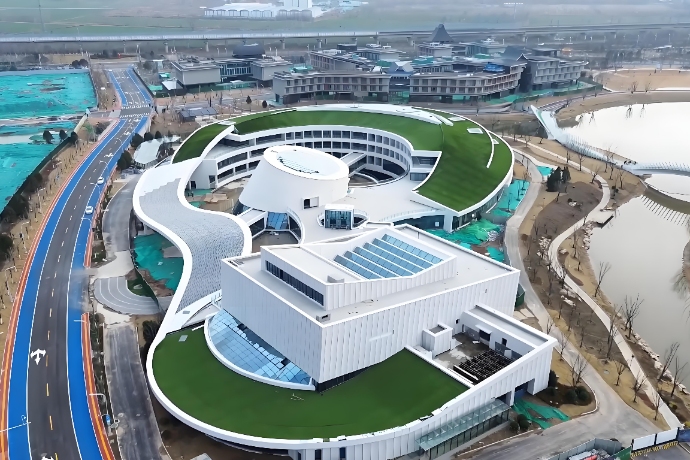
A ventilated photovoltaic facade is a type of BIPV facade system that integrates photovoltaic modules into a ventilated exterior wall structure.
The system typically consists of:
· An outer photovoltaic layer
· A ventilated air cavity
· Thermal insulation
· The structural building wall
Unlike traditional facade-mounted solar panels, ventilated photovoltaic facades are designed as part of the building envelope itself.
The ventilated cavity between the photovoltaic modules and the building wall plays a critical role. It allows air to circulate naturally, helping regulate heat buildup and improving the overall thermal behavior of the building.
This combination of solar generation and passive ventilation is what makes ventilated photovoltaic facades especially suitable for high-performance buildings.
High-performance buildings are designed to optimize:
· Energy efficiency
· Indoor comfort
· Environmental impact
· Long-term operational performance
Traditional rooftop solar systems can help reduce electricity consumption, but they do not directly improve the thermal performance of the building envelope.
Ventilated photovoltaic facades address both challenges at the same time.
They not only generate renewable energy, but also contribute to:
· Better insulation performance
· Reduced solar heat gain
· Improved moisture management
· Enhanced building durability
This multifunctional approach aligns perfectly with the goals of high-performance architecture.
One of the biggest reasons ventilated photovoltaic facades are preferred in high-performance buildings is their ability to regulate temperature more effectively.
In conventional facade systems, exterior walls can absorb significant solar radiation, especially during summer months. This heat transfers into the building and increases cooling demand.
A ventilated photovoltaic facade reduces this effect in two ways.
First, the photovoltaic modules act as an external protective layer that blocks direct solar radiation from reaching the primary wall structure.
Second, the ventilated air gap allows accumulated heat to dissipate naturally through airflow. As warm air rises inside the cavity, cooler air enters from below, creating a chimney-like ventilation effect.
This passive cooling mechanism helps:
· Reduce facade surface temperatures
· Lower indoor cooling loads
· Improve HVAC efficiency
For high-performance buildings, even small reductions in cooling demand can produce substantial long-term energy savings.
Temperature affects solar panel efficiency more than many people realize.
When photovoltaic modules become excessively hot, their electrical performance decreases. Traditional facade-mounted solar systems often suffer from heat buildup because airflow behind the panels is limited.
Ventilated photovoltaic facades solve this issue naturally.
The continuous airflow behind the photovoltaic modules helps remove excess heat, keeping panel temperatures lower and improving overall energy generation efficiency.
This means the system performs better not only as a building envelope solution, but also as a solar power system.
In high-performance buildings where energy optimization is critical, this additional efficiency becomes highly valuable.
Another reason ventilated photovoltaic facades are increasingly used in advanced building projects is their contribution to overall envelope performance.
The building envelope is one of the most important factors affecting long-term energy consumption. Poor facade design can lead to:
· Thermal bridging
· Moisture problems
· Air leakage
· Heat loss
Ventilated photovoltaic facades help create a more controlled and efficient exterior system.
The ventilated cavity improves moisture management by reducing condensation risk, while the layered structure enhances insulation performance.
This contributes to:
· Better indoor comfort
· Greater temperature stability
· Improved building durability
For high-performance buildings pursuing certifications such as LEED, BREEAM, or passive house standards, facade performance is especially important.
Modern sustainable buildings are expected to perform well without sacrificing appearance.
Traditional solar systems can sometimes appear visually disconnected from the architecture, especially when panels are mounted as external additions.
Ventilated photovoltaic facades offer a more integrated solution.
Because the photovoltaic modules are incorporated directly into the facade design, architects have greater flexibility in creating:
· Seamless glass facades
· Contemporary exterior designs
· Uniform building surfaces
· Custom architectural expressions
Many BIPV facade systems are now available in different:
· Colors
· Transparency levels
· Surface finishes
· Module sizes
This allows designers to combine renewable energy generation with architectural creativity.
For premium commercial buildings, office towers, cultural centers, and public infrastructure projects, this design flexibility is a major advantage.
In dense urban areas, rooftop space is often limited. High-rise buildings may have large vertical surfaces but relatively small roofs, making rooftop solar systems less effective.
Ventilated photovoltaic facades solve this challenge by transforming vertical building surfaces into energy-generating assets.
This dramatically expands the usable photovoltaic area of the building.
For skyscrapers and commercial towers, facade-integrated photovoltaics may provide far more installation potential than rooftop systems alone.
As cities continue moving toward net-zero construction targets, ventilated photovoltaic facades are becoming increasingly attractive for urban development.
High-performance buildings are designed with lifecycle performance in mind, not just short-term energy savings.
Ventilated photovoltaic facades support long-term sustainability through:
· Reduced operational energy demand
· Renewable energy production
· Improved building durability
· Lower carbon emissions
Because the photovoltaic system is integrated into the facade structure, material redundancy can also be reduced compared to traditional add-on solar installations.
This integrated approach aligns closely with the broader philosophy of sustainable architecture.
Although ventilated photovoltaic facades offer many advantages, they also require careful planning and engineering.
Compared with standard facade systems, they involve:
· More complex design coordination
· Higher upfront investment
· Specialized installation expertise
Performance depends heavily on:
· Building orientation
· Local climate
· Ventilation cavity design
· Photovoltaic module selection
For this reason, successful projects usually require close collaboration between:
· Architects
· Facade engineers
· Solar specialists
· Mechanical engineers
However, for high-performance buildings focused on long-term value and sustainability, these additional requirements are often justified.
As building regulations become stricter and cities adopt more aggressive carbon reduction goals, facade-integrated solar systems are expected to grow rapidly.
Future innovations will likely include:
· Higher-efficiency photovoltaic materials
· Lightweight facade systems
· Smart ventilation control
· Adaptive solar facades
· Improved energy storage integration
Many experts believe building facades will eventually evolve from passive surfaces into intelligent energy-producing systems.
Ventilated photovoltaic facades are already an important step toward that future.
Ventilated photovoltaic facades are more suitable for high-performance buildings because they do much more than generate electricity.
They improve thermal regulation, enhance facade performance, reduce cooling demand, increase photovoltaic efficiency, and create cleaner architectural integration. At the same time, they help buildings move closer to long-term sustainability and carbon reduction goals.
As the construction industry continues shifting toward smarter and more energy-efficient design, ventilated photovoltaic facades are becoming one of the most promising solutions in modern BIPV facade technology.
For architects, developers, and building owners looking to combine energy generation with high-performance building design, ventilated photovoltaic facades offer a practical and future-oriented path forward.