Feb. 11, 2026
As sustainable construction continues to gain global momentum, Building-Integrated Photovoltaics (BIPV) are becoming a strategic solution for combining renewable energy generation with architectural functionality. Unlike conventional rooftop solar systems, BIPV products are integrated directly into the building envelope, replacing traditional materials while contributing to on-site power generation.
This article provides a comprehensive comparison of the main types of BIPV products—BIPV roofing systems, BIPV façade systems, BIPV glazing solutions, and specialty BIPV applications—with a focus on structure, performance, advantages, and application scenarios.
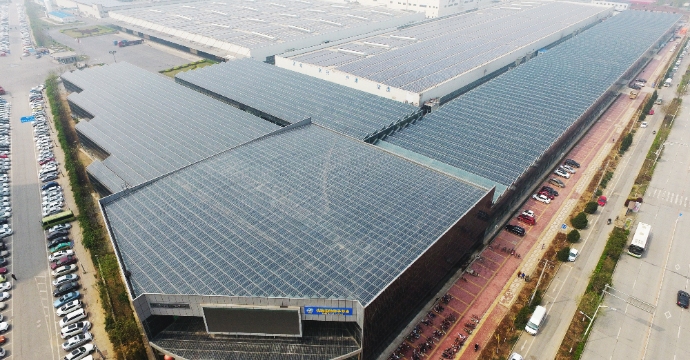
Gain Solar BIPV Systems Building
BIPV roofing systems integrate photovoltaic technology into roof elements such as tiles, shingles, or metal panels. These products function as both weatherproof roofing materials and power-generating components.
From an energy perspective, roofing remains the most favorable surface for solar exposure. BIPV roofing systems typically achieve higher annual energy yield compared to vertical installations, making them one of the most commercially mature BIPV solutions.
High solar exposure and stable energy output
Roofs generally receive optimal irradiation, resulting in predictable performance.
Direct material substitution
BIPV roofing replaces conventional roof coverings, reducing duplicated material and installation costs.
Simplified system integration
Electrical layout, inspection, and maintenance are relatively straightforward.
Clean aesthetics and regulatory compatibility
Integrated designs support planning approval in areas with strict architectural or heritage requirements.
BIPV roofing is widely adopted in residential housing, villas, schools, and low-rise commercial buildings where roof space is sufficient and visual integration is prioritized.
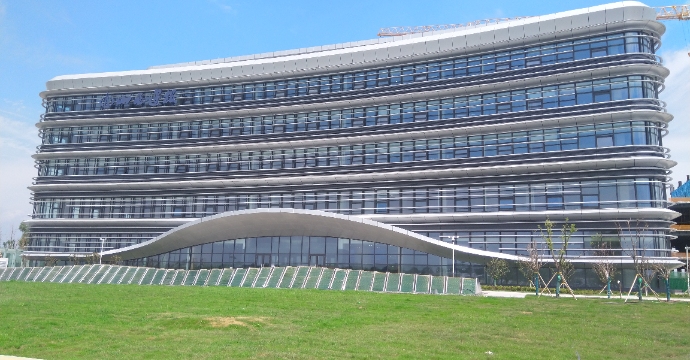
Gain Solar BIPV Façade Systems
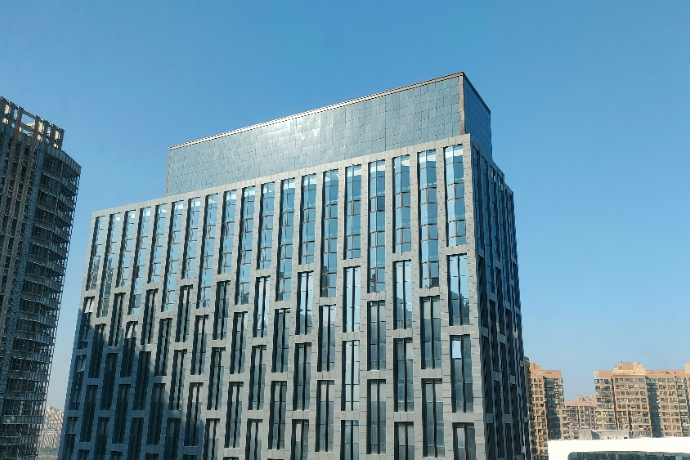
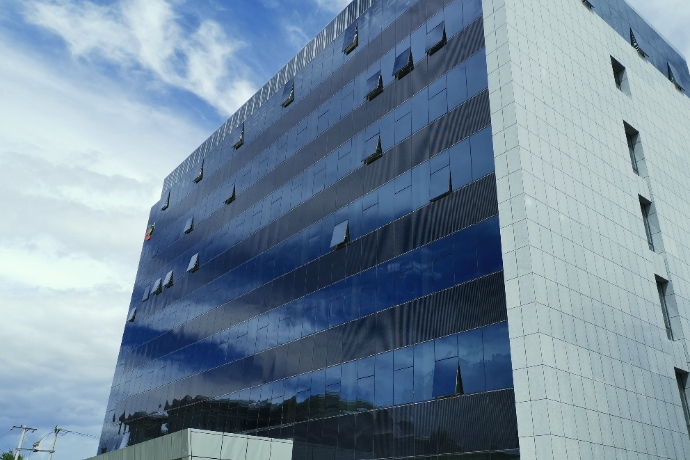
BIPV façade systems incorporate photovoltaic modules into vertical building envelopes, including curtain walls, cladding panels, and spandrel glass. This category is especially relevant for urban and high-rise architecture where roof area is limited.
While vertical façades generally receive lower irradiation than rooftops, the available surface area is significantly larger. East- and west-facing façades also ensure electricity generation during peak daytime demand periods.
Expanded photovoltaic surface area
Façades unlock additional energy-generating space in dense urban environments.
Multi-directional power generation
Energy production can be distributed across different times of day.
Architectural design flexibility
Customized colors, textures, and formats allow BIPV façades to align with building identity.
Enhanced building envelope performance
Façade-integrated BIPV can improve shading, thermal insulation, and overall energy efficiency.
BIPV façade systems are commonly used in office towers, commercial complexes, hospitals, and institutional buildings seeking a balance between sustainability and architectural expression.
BIPV glazing solutions integrate photovoltaic cells into transparent or semi-transparent glass used for windows, skylights, atriums, and façades. These systems emphasize multifunctionality rather than maximum power output.
Although BIPV glazing typically delivers lower power density than opaque BIPV products, it offers unique benefits in daylight management and occupant comfort.
Combined daylighting and electricity generation
Semi-transparent PV glass allows natural light while producing renewable energy.
Solar heat gain and glare control
BIPV glazing reduces cooling loads and improves indoor comfort.
High-end architectural appeal
Frequently used in landmark buildings and public spaces.
Support for green building certifications
Contributes to LEED, BREEAM, and other sustainability rating systems.
BIPV glazing is particularly suitable for airports, shopping centers, transportation hubs, and premium commercial developments.
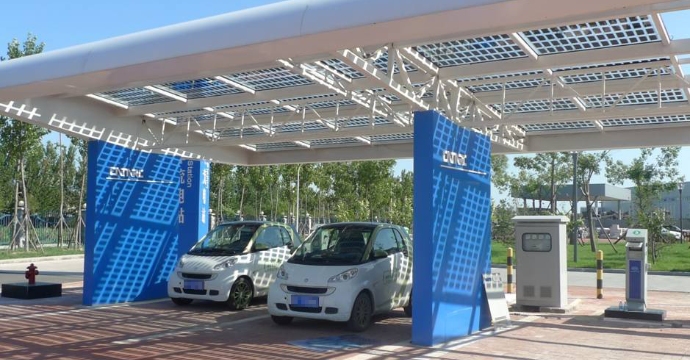
Beyond standard building components, specialty BIPV applications include photovoltaic canopies, sunshades, balconies, noise barriers, and custom-shaped architectural elements. These solutions address project-specific design and functional requirements.
Specialty BIPV products often involve higher levels of customization and engineering coordination but ensure the utilization of otherwise unused surfaces. They are increasingly adopted in infrastructure projects, public spaces, and mixed-use developments where sustainability and visual impact are both critical.
Energy Performance
Among different BIPV products, BIPV roofing systems generally deliver the highest energy yield per square meter due to optimal orientation and reduced shading. BIPV façade systems offer moderate output influenced by orientation and surrounding structures, while BIPV glazing solutions prioritize multifunctional performance over maximum power density.
Architectural Integration
In terms of design freedom, BIPV façades and glazing systems provide greater flexibility in color, transparency, and form. Roofing BIPV focuses more on uniformity and clean integration, whereas façades and glazing allow photovoltaic elements to become visible design features.
Economic and Life cycle Value
BIPV roofing presents the clearest cost-offset model by replacing traditional roofing materials directly. Façade and glazing BIPV solutions typically involve higher upfront investment but offer long-term value through energy savings, improved building performance, and increased property differentiation.
The comparison of BIPV product types—roofing, façade, glazing, and specialty applications—demonstrates that each solution serves a distinct role within modern sustainable architecture. Rather than competing technologies, these BIPV products are increasingly combined within a single project to maximize energy generation, architectural value, and long-term performance.
As building regulations tighten and demand for low-carbon construction grows, BIPV systems are evolving from niche solutions into essential components of future-ready buildings. Selecting the right BIPV product package requires careful evaluation of energy goals, design intent, climate conditions, and life cycle economic benefit.