Feb. 19, 2026
As the global transition toward renewable energy accelerates, solar power continues to dominate discussions across residential, commercial, and utility-scale markets. However, the terms solar panels and PV modules are often used interchangeably, leading to confusion among buyers, investors, and even industry newcomers. From a technical and engineering perspective, the distinction matters. Understanding the science behind solar panels vs. PV modules—particularly in terms of efficiency, structure, and application—helps stakeholders make more informed decisions.
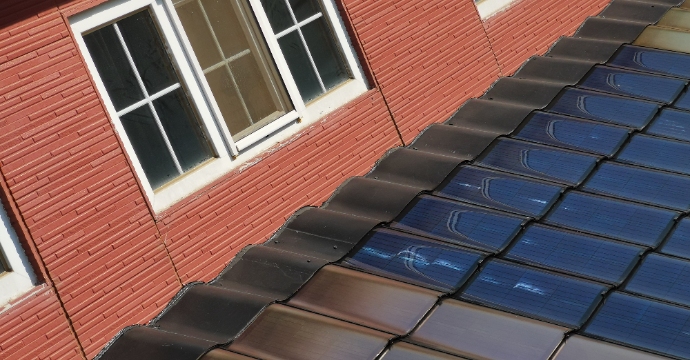
A PV module (photovoltaic module) is the fundamental power-generating unit in a solar energy system. It consists of interconnected solar cells—typically made from crystalline silicon—encapsulated between protective layers such as tempered glass, EVA films, and a backsheet or glass substrate. The PV module converts sunlight directly into direct current (DC) electricity through the photovoltaic effect.
A solar panel, in common usage, often refers to the same component. However, in technical and industrial contexts, the term “solar panel” may also describe an assembled or installed unit that includes PV modules integrated with mounting structures, frames, wiring, or other system elements. In large-scale projects, multiple PV modules are connected to form solar panels, arrays, and complete power-generation systems.
| Aspect | PV Modules | Solar Panels |
| Basic Definition | A standardized photovoltaic unit made of multiple solar cells | A practical or system-level term often referring to installed or integrated units |
| Core Function | Converts sunlight into DC electricity | Delivers usable solar power within an installed system |
| Structural Focus | Cell layout, encapsulation, glass, backsheet, junction box | Mounting, framing, wiring, system integration |
| Efficiency Metric | Rated module efficiency (e.g. 20–23%) | System efficiency including real-world losses |
| Level of Standardization | Highly standardized (IEC / UL certified products) | Application-dependent, varies by project design |
| Typical Use in Industry | Procurement, performance comparison, system design | Installation, project description, end-user communication |
At the core of both solar panels and PV modules are solar cells, which determine electrical output and conversion efficiency. Within a PV module, cells are connected in series and parallel to achieve target voltage and current levels. Module design prioritizes durability, insulation performance, fire resistance, and long-term reliability under environmental stress.
Solar panels represent a higher integration level. Structural considerations include mechanical load capacity, wind resistance, installation angle, and compatibility with fixed-tilt or tracking systems. In utility-scale applications, this system-level design directly impacts installation speed and long-term operational stability.
When comparing solar panels vs. PV modules, efficiency should be interpreted at different levels. PV module efficiency is measured under standard test conditions and reflects the intrinsic performance of the photovoltaic technology used. Advanced cell designs such as TOPCon, HJT, and back-contact structures have significantly improved module efficiency in recent years.
Solar panel system efficiency, however, accounts for additional variables such as inverter conversion losses, cable resistance, temperature rise, shading, and soiling. As a result, system-level efficiency is always lower than the rated efficiency of individual PV modules, making proper system design essential for maximizing energy yield.
PV modules are selected based on precise technical parameters, including power output, efficiency, temperature coefficient, degradation rate, and certification standards. They are the foundation of residential rooftops, commercial installations, and large solar power plants.
Solar panels, as integrated solutions, are evaluated according to application goals. Residential systems emphasize compact size and visual integration, commercial projects focus on lifecycle cost and reliability, while utility-scale installations prioritize scalability, compatibility with trackers, and long-term performance under demanding environmental conditions.
The science behind solar panels vs. PV modules reveals a clear distinction between core photovoltaic technology and applied energy systems. PV modules define how efficiently sunlight is converted into electricity, while solar panels represent how that technology is deployed in real-world applications. Understanding this difference is essential for system designers, EPC contractors, and investors seeking to optimize performance, cost, and long-term returns in the evolving solar energy market.