Jul. 23, 2026
Hidden solar panels refer to solar power systems that are designed to blend into the building instead of sitting visibly above the roof. Unlike conventional rack-mounted solar panels, hidden solar panels use building-integrated photovoltaic technology, also known as BIPV, or solar roof tiles that replace part of the roof surface itself. The result is a cleaner architectural appearance, better visual harmony, and a practical way for homes, villas, commercial buildings, and renovation projects to generate renewable electricity without changing the character of the building.
For homeowners, architects, and developers who care about both energy performance and exterior design, hidden solar panels are becoming an increasingly attractive choice. They are not simply “solar panels that are harder to see.” In many projects, they are roofing materials, façade elements, skylight components, or external building surfaces that also generate electricity. According to IEA PVPS, BIPV can transform buildings into renewable energy generators by integrating solar technology into roofs, facades, and external structures while maintaining architectural design standards.
Hidden solar panels are photovoltaic systems designed to reduce the visual impact of solar power installations. In residential roofing, this usually means solar roof tiles or solar shingles that look similar to traditional roofing materials. In larger architectural projects, it may also include BIPV glass, solar facades, solar curtain walls, or integrated roof modules.
The key difference is integration. Traditional solar panels are installed above an existing roof with mounting brackets. Hidden solar panels become part of the building envelope. Solar roof tiles can replace asphalt shingles, clay tiles, slate-style roofing, or metal roof sections. BIPV panels can replace façade cladding, curtain wall glass, roof membranes, or other exterior materials.
This is why hidden solar panels are often used in projects where visual appearance matters, such as luxury homes, villas, historic-style buildings, residential communities, hotels, schools, offices, and public buildings. They allow a property to produce clean energy while keeping the roofline or façade more elegant and less industrial.
Hidden solar panels are more of a market concept than a single product category. BIPV and solar roof tiles are two of the most important product forms behind this concept.
BIPV is the broader technology category. It includes photovoltaic products that are integrated into building materials. A BIPV system can be installed on roofs, façades, balconies, skylights, canopies, curtain walls, and even exterior shading structures. Its value lies in combining two functions: building protection and power generation.
Solar roof tiles are a specific type of BIPV product. They are designed mainly for roofing applications and are installed like conventional roofing elements. Instead of placing large solar panels on top of a roof, the solar-generating component becomes the roof surface itself. This makes solar roof tiles one of the most direct and practical solutions for hidden solar panels in residential buildings.
In simple terms, BIPV is the technology direction, while solar roof tiles are one of the most popular visible—or rather, less visible—applications of that direction.
The growing interest in hidden solar panels is driven by three major factors: aesthetics, energy policy, and building electrification.
First, many property owners want solar energy but do not like the appearance of conventional panels. Large black or blue panels may not match the roof color, building style, or community design requirements. Hidden solar panels solve this problem by making the system look like part of the roof or facade.
Second, more countries and regions are encouraging solar energy on buildings. The European Commission notes that solar installations will be required for certain categories of new and existing buildings where suitable and feasible, including new residential buildings with permit applications submitted from January 1, 2030, and new business buildings from January 1, 2027. This type of policy direction supports stronger demand for integrated solar products.
Third, homes are using more electricity than before. Heat pumps, electric vehicles, home batteries, smart appliances, and air conditioning all increase household electricity demand. For new homes and roof replacement projects, hidden solar panels offer a way to turn the building envelope into an energy asset.
The most important technology behind hidden solar panels is building integration. A BIPV product must do more than generate electricity. It also needs to perform as a reliable building material.
For roof applications, this means the product must support waterproofing, drainage, wind resistance, fire safety, load-bearing performance, thermal expansion control, and long-term weather resistance. For façade applications, it must also meet requirements for structural safety, glass performance, insulation, and architectural appearance.
This is why hidden solar panels require cooperation between solar engineers, architects, roofers, façade contractors, and electrical installers. The product is not just a power system. It is part of the building.
Solar roof tiles usually use crystalline silicon cells, thin-film cells, or other photovoltaic materials sealed inside durable glass or composite structures. Many products use monocrystalline silicon because of its high efficiency and mature supply chain.
Compared with standard solar panels, solar roof tiles are smaller and more modular. This makes them easier to match different roof shapes, but it also creates higher requirements for electrical connection, installation efficiency, and long-term waterproofing.
A well-designed solar roof tile system must allow clean cable routing under the roof surface, safe module-to-module connection, stable power output, and convenient maintenance. Since each roof tile is part of the weatherproof layer, installation quality is especially important.
A major challenge for hidden solar panels is balancing appearance and power generation. The darker and more transparent the surface, the easier it is for sunlight to reach the solar cells. However, building owners often want colors that match clay tiles, slate, stone, metal, or asphalt shingles.
To solve this, manufacturers may use textured glass, ceramic coating, colored films, anti-reflective layers, or special surface patterns. These treatments help the solar product blend into the building. However, every color or texture choice may affect light transmission and power output. Therefore, product design must balance aesthetics, efficiency, and cost.
For solar roof tiles, waterproofing is one of the most critical technologies. Traditional solar panels are mounted above an existing waterproof roof. Solar roof tiles, however, become part of the waterproof system.
This means the roof tile design must include overlapping edges, drainage channels, flashing details, sealing materials, and installation accessories that prevent water infiltration. The system must also handle wind-driven rain, snow load, temperature changes, and long-term aging.
This is especially important for villas, high-end residential buildings, coastal homes, and areas with heavy rainfall or strong wind. Poor waterproofing can cause expensive roof damage, so hidden solar panels must be treated as both an electrical product and a roofing product.
Solar products generate heat during operation. If heat cannot escape, the module temperature rises and power generation efficiency may decline. For hidden solar panels, thermal management is more difficult because the product is closer to the building surface and less exposed to airflow than rack-mounted panels.
Good system design may include ventilation gaps, heat-resistant materials, optimized mounting layers, and roof structures that allow airflow behind the solar tiles. Thermal design is especially important in hot climates, dark roof systems, and high-power residential installations.
Hidden solar panels are usually connected to inverters, microinverters, or power optimizers. These components convert solar electricity into usable power and improve system performance when shading, roof angle, or tile layout is not ideal.
Because solar roof tiles are smaller modules, module-level power electronics can be useful in complex roof designs. If one roof section is shaded by a chimney, tree, dormer, or nearby building, optimizers or microinverters can reduce power loss across the whole system.
Many hidden solar panel systems are also paired with home batteries. This allows homeowners to store daytime solar electricity and use it at night or during peak electricity pricing periods. For all-electric homes, solar roof tiles plus battery storage can become a complete residential energy solution.
The hidden solar panel market is still smaller than the traditional rooftop solar market, but it is growing quickly. BIPV products are becoming more relevant as buildings move toward low-carbon design, and solar roof tiles are gaining attention among homeowners who want both clean energy and a premium exterior appearance.
According to Mordor Intelligence, crystalline silicon retained 87.5% of BIPV installations in 2025, commercial buildings accounted for 56.2% of BIPV revenue, and Asia-Pacific captured 40.7% of the BIPV market in 2025. The same report also identifies policy incentives, zero-carbon building mandates, and declining PV system costs as major growth drivers.
The solar roof tile market is also expanding. Meticulous Research estimates that the global solar roofing tiles market was valued at USD 6.42 billion in 2025 and is expected to reach USD 28.64 billion by 2036, with a projected CAGR of 13.8% from 2026 to 2036. The report also notes that solar roofing tiles replace conventional materials such as asphalt shingles, clay tiles, and metal roofing while generating electricity.
However, hidden solar panels still face challenges. They are usually more expensive than standard solar panels, and installation requires more specialized roofing and electrical expertise. Conventional panels also often produce more electricity per square foot because they benefit from standardized product design and better airflow. The Washington Post reported in 2025 that solar roof tiles remain a niche and premium option, although newer products from major roofing manufacturers are improving availability and cost competitiveness.
This means hidden solar panels are not always the cheapest solar solution. Their strongest market position is in projects where appearance, roof replacement timing, building integration, and long-term property value matter as much as pure installation cost.
New-build villas are one of the best applications for hidden solar panels. Since the roof structure, waterproofing system, wiring route, inverter location, and energy storage space can be planned from the beginning, the system can be integrated more cleanly and efficiently.
For luxury villas, hidden solar panels also support a high-end exterior design. The roof can maintain a smooth, premium appearance while still generating electricity.
Roof replacement projects are another strong fit. If the existing roof is already near the end of its service life, the owner can consider replacing traditional roofing materials with solar roof tiles. This avoids paying separately for a new roof and then adding conventional solar panels on top.
For homeowners who already need a new roof, hidden solar panels may offer better long-term value than they would in a simple solar retrofit project.
Some residential communities, heritage districts, resort areas, and high-end neighborhoods have strict rules about visible exterior changes. Traditional solar panels may be restricted because they change the appearance of the roof.
Hidden solar panels can help solve this problem because they look more like normal roofing materials. They are especially suitable for homes where design approval, community rules, or architectural consistency are important.
Solar roof tiles work best on sloped roofs with strong sun exposure. South-facing roofs in the northern hemisphere, north-facing roofs in the southern hemisphere, and east-west roof combinations can all be suitable depending on the local climate and energy demand.
The roof should have enough usable area and limited shading from trees, chimneys, dormers, or nearby buildings. Complex roofs can still use hidden solar panels, but layout design becomes more important.
Modern homes often emphasize clean lines, flat surfaces, and visual simplicity. Conventional solar panels may look too bulky on this type of architecture. Hidden solar panels fit better because they can align with the roof surface or façade design.
For minimalist houses, black solar roof tiles, dark metal-style BIPV roofing, or integrated solar glass can create a cleaner and more unified exterior.
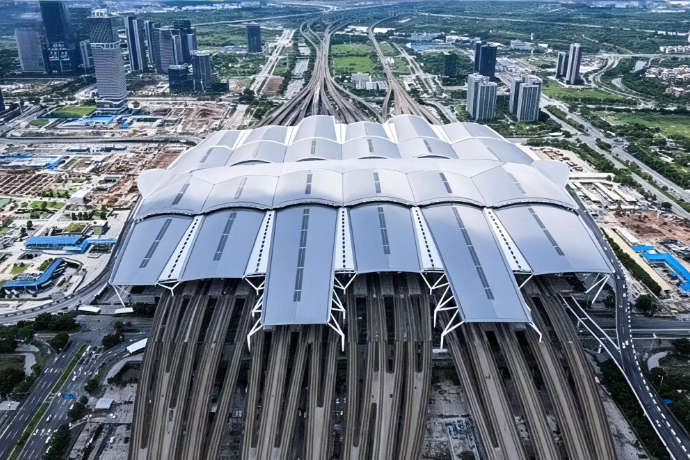
Although solar roof tiles are mostly discussed in residential projects, BIPV hidden solar panels are also suitable for commercial and public buildings. Hotels, offices, schools, museums, transport stations, and public facilities may use BIPV façades, skylights, canopies, or curtain walls to combine energy generation with architectural identity.
For these projects, the value is not only electricity savings. BIPV can also support green building certification, brand image, carbon reduction targets, and public sustainability goals.
Hidden solar panels are not ideal for every building. If the main goal is the lowest cost per watt, traditional rack-mounted solar panels are usually more competitive. If the roof is heavily shaded, structurally weak, very old, or too complex, a standard rooftop solar system or ground-mounted system may be easier to design and maintain.
They may also be less suitable when the roof was recently replaced and the owner does not want to modify the roofing system again. In this case, conventional panels may provide a faster and more economical solar solution.
The best projects for hidden solar panels usually share three conditions: the owner cares about building appearance, the roof or façade is being newly built or renovated, and the project has enough budget to support a premium integrated solution.
Hidden solar panels represent the next stage of solar building design. By combining BIPV and solar roof tile technologies, they allow buildings to generate clean energy without sacrificing architectural appearance. Instead of treating solar power as an add-on, hidden solar panels make it part of the roof, façade, or building envelope.
For new homes, roof replacement projects, villas, premium residential communities, hotels, and commercial buildings, hidden solar panels can offer a strong balance of energy generation, design value, and long-term sustainability. While the market is still developing and costs remain higher than conventional panels, policy support, better product design, improved installation methods, and growing demand for beautiful solar solutions are pushing hidden solar panels from a niche product toward a more mainstream building technology.