Jun. 23, 2026
As governments, developers, and architects pursue net-zero carbon goals, the role of solar energy in buildings is rapidly evolving. Traditional rooftop photovoltaic systems have helped accelerate renewable energy adoption, but modern buildings require solutions that go beyond simply adding solar panels after construction.
Today, Building Integrated Photovoltaics (BIPV) is emerging as one of the most influential technologies in sustainable architecture. Instead of treating solar energy systems as separate equipment, BIPV integrates photovoltaic materials directly into the building envelope, transforming roofs, facades, skylights, curtain walls, and shading structures into active energy-generating assets.
This shift is changing how buildings are designed, constructed, and operated.
As one of the world's earliest and most experienced BIPV manufacturers, Gain Solar has spent years helping architects, developers, and building owners integrate clean energy generation into architectural design without compromising aesthetics, functionality, or performance. Gain Solar's solutions combine photovoltaic technology with construction-grade materials, enabling buildings to generate electricity while serving as part of the building structure itself.
Buildings account for a significant portion of global energy consumption and carbon emissions. As energy regulations become stricter and sustainability standards continue to rise, developers face increasing pressure to reduce operational energy use while maintaining architectural quality.
Historically, renewable energy systems were often added after the building design had already been completed. This approach frequently created conflicts between architectural aesthetics and energy performance.
BIPV fundamentally changes this process.
Instead of asking where solar panels can be installed, architects can now design buildings where photovoltaic elements are integrated from the very beginning. Facades, roofs, skylights, windows, parking structures, and shading systems become multifunctional components capable of generating electricity while fulfilling their traditional building functions.
For architects and developers, this means energy production is no longer limited to rooftop space. Entire building envelopes can contribute to renewable energy generation.
One of the biggest challenges in BIPV adoption has been balancing architectural expression with photovoltaic performance.
Gain Solar addresses this challenge through highly customizable photovoltaic glass technologies that allow architects to select colors, textures, transparency levels, dimensions, and shapes that align with project design requirements. The company's crystalline photovoltaic glass and amorphous silicon photovoltaic glass solutions can be customized for curtain walls, facades, skylights, roofs, sound barriers, and other architectural applications.
Unlike conventional solar modules that often dictate architectural appearance, Gain Solar's BIPV systems are designed to support architectural creativity.
This enables designers to:
· Maintain the visual identity of a building
· Meet aesthetic requirements of premium projects
· Integrate renewable energy without visual compromise
· Create landmark buildings with distinctive appearances
· Improve overall building sustainability performance
As a result, photovoltaic systems become an architectural feature rather than an architectural limitation.
The building facade is increasingly recognized as one of the most valuable surfaces for renewable energy generation, especially in dense urban environments where rooftop space is limited.
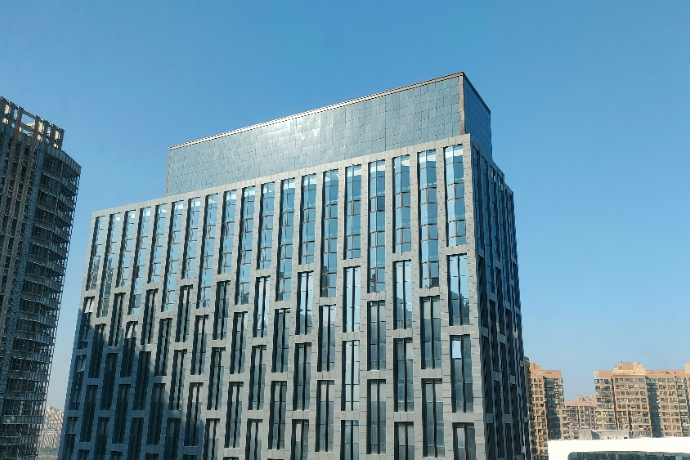
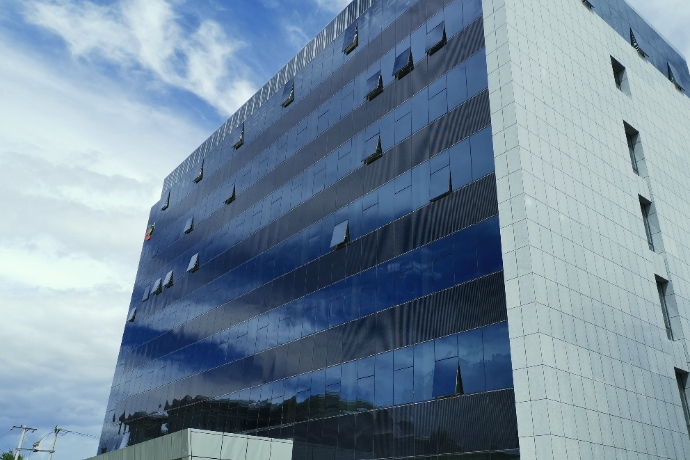
Gain Solar's BIPV facade and curtain wall systems allow developers to convert previously passive building surfaces into active energy-generating assets. These systems combine photovoltaic glass, structural framing, weatherproofing, thermal insulation, and architectural finishes into a single integrated solution.
Beyond electricity generation, BIPV facades provide several building performance benefits:
· Reduced solar heat gain
· Enhanced thermal insulation
· Improved weather resistance
· Acoustic insulation
· Long-term reduction in operating costs
For high-rise office buildings, hotels, commercial centers, and public facilities, facade-integrated photovoltaics can significantly increase renewable energy production while preserving design intent.
Roofs remain one of the most productive areas for solar energy generation.
However, Gain Solar's approach differs from conventional rooftop photovoltaic installations. Instead of mounting solar panels onto existing roofing materials, the company offers solar roof tiles and integrated photovoltaic roofing systems that replace traditional roofing materials entirely.
This approach creates several advantages:
· Reduced material duplication
· Lower lifecycle construction costs
· Improved weatherproofing
· Simplified installation
· Better architectural integration
By combining roofing and energy generation into a single building component, BIPV roofs contribute directly to both building performance and project sustainability goals.
Natural daylight remains one of the most effective ways to improve occupant comfort and reduce lighting energy consumption.
Gain Solar's photovoltaic skylight solutions allow buildings to benefit from natural light while simultaneously generating electricity. Through customized transparency levels and photovoltaic glass configurations, architects can balance daylight performance with energy production requirements.
This dual functionality is particularly valuable for:
· Airports
· Convention centers
· Transportation hubs
· Shopping malls
· Educational facilities
Rather than choosing between daylighting and solar power generation, developers can achieve both objectives through a single building element.
The true value of BIPV is demonstrated through practical implementation.
Gain Solar has delivered BIPV solutions across a wide range of building types, including office buildings, convention centers, public facilities, transportation infrastructure, commercial landmarks, and residential developments. The company has implemented photovoltaic curtain walls, colored photovoltaic facades, solar skylights, solar roof tiles, and photovoltaic shading systems in projects across multiple regions and climate conditions.
Examples include:
· Commercial office buildings utilizing colored photovoltaic facades
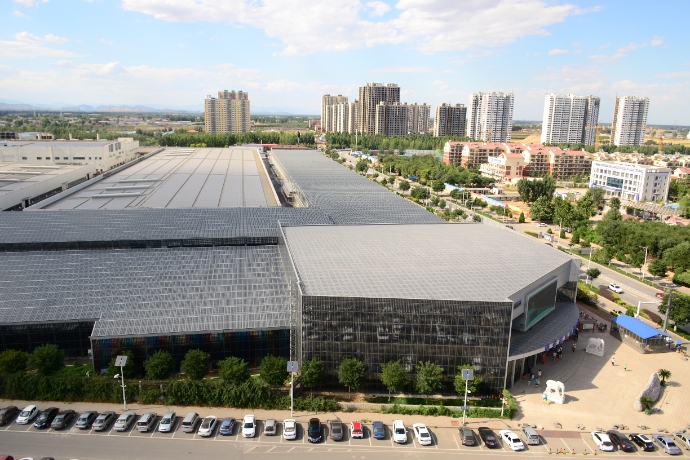
· Convention centers integrating photovoltaic skylights
· Public facilities adopting photovoltaic curtain walls
· Residential developments using solar roof tiles
· Transportation projects incorporating photovoltaic shading structures
These projects demonstrate that BIPV is no longer an experimental technology. It is a proven solution capable of meeting both architectural and energy performance requirements.
Successful BIPV projects require expertise that extends beyond solar technology.
Architects must consider aesthetics, transparency, daylighting, structural loading, waterproofing, fire safety, electrical integration, maintenance access, and long-term durability. Gain Solar supports these requirements through an integrated approach that combines product manufacturing, engineering support, customization, project consulting, and lifecycle services.
The company provides:
· Custom BIPV module design
· Architectural consulting
· Structural and electrical engineering support
· BIM integration
· Performance simulations
· Installation guidance
· Operation and maintenance support
This comprehensive service model helps reduce project complexity and improve implementation success rates.
As building regulations become more stringent and net-zero carbon objectives become increasingly common, the role of BIPV is expected to expand significantly.
Future buildings will not simply consume less energy—they will actively generate energy through integrated architectural systems.
Ventilated photovoltaic facades, solar curtain walls, photovoltaic roofs, transparent photovoltaic glazing, and multifunctional building envelopes are already demonstrating how renewable energy can become part of the architectural language of modern cities. Gain Solar continues to develop solutions that support this transition by integrating clean energy generation, building performance, and architectural aesthetics into a single system.
The future of sustainable architecture lies in the convergence of design, functionality, and renewable energy generation.
Gain Solar's BIPV solutions demonstrate how buildings can move beyond traditional energy consumption models and become active contributors to a cleaner energy future. By integrating photovoltaic technology into facades, roofs, skylights, curtain walls, and other building components, Gain Solar helps architects and developers create buildings that are visually compelling, energy efficient, and aligned with global sustainability goals.
As demand for net-zero buildings continues to grow worldwide, BIPV will increasingly become a fundamental part of building design rather than an optional addition. Through decades of experience, advanced manufacturing capabilities, and a commitment to architectural innovation, Gain Solar is helping shape the next generation of energy-producing buildings.