Jun. 17, 2026
Building Integrated Photovoltaics (BIPV) is a type of photovoltaic system with dual functions: it acts as part of the building structure and generates renewable power.Unlike conventional solar panels mounted on rooftops after construction, BIPV products are designed to replace traditional building materials such as roofing systems, curtain walls, skylights, facades, windows, and shading structures.
As governments worldwide continue to promote low-carbon construction and net-zero energy buildings, BIPV products are becoming increasingly important in both residential and commercial developments. They help architects maximize available building surfaces for energy generation while maintaining aesthetic design flexibility.
Today, BIPV products are widely used in residential communities, office buildings, airports, educational facilities, shopping centers, industrial parks, hotels, and public infrastructure projects. The following are the ten most common types of BIPV products and their practical applications.
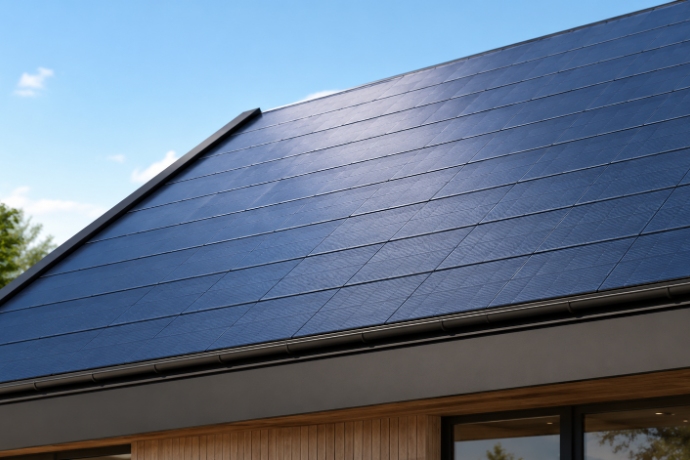
BIPV roof tiles are among the most recognizable BIPV products in the residential market. These photovoltaic roofing materials replace traditional clay, slate, or asphalt roof tiles while generating electricity from sunlight.
Unlike conventional rooftop solar panels that are mounted above existing roofs, BIPV roof tiles become part of the roofing structure itself. This integrated design creates a more visually appealing appearance, making it particularly attractive for luxury homes, villas, and architectural projects where aesthetics are important.
Modern BIPV roof tile systems are designed to withstand rain, snow, wind loads, and temperature fluctuations while maintaining reliable power output over decades of operation. Many products also offer waterproofing and fire-resistance properties comparable to traditional roofing materials.
· Residential villas
· Luxury housing developments
· Eco-friendly communities
· Resort properties
· High-end renovation projects
· Seamless architectural integration
· Elimination of separate solar mounting structures
· Improved curb appeal
· Long-term energy savings
· Enhanced property value
For homeowners pursuing net-zero living, BIPV roof tiles provide an elegant way to combine renewable energy generation with modern building design.
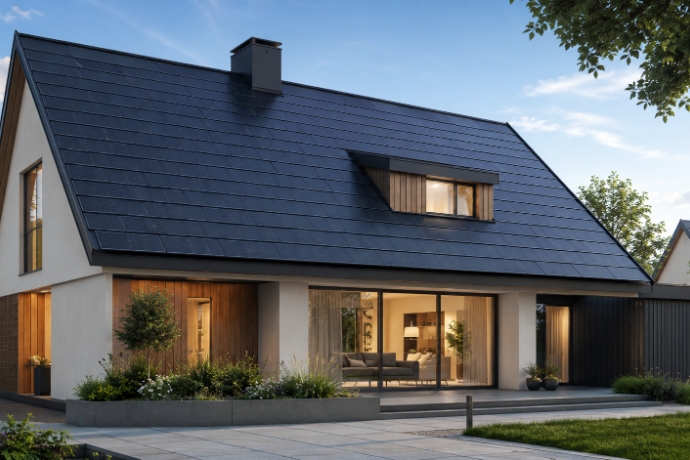
BIPV solar roof system are commonly used in both residential and commercial buildings where large roof areas are available.
These systems replace conventional metal sheets, roofing membranes, or other roof coverings while simultaneously functioning as photovoltaic power generators. Compared with roof tiles, BIPV roof panels are generally larger and can deliver higher power output per installation area.
Commercial buildings often benefit significantly from BIPV roof systems because warehouses, manufacturing facilities, logistics centers, and agricultural buildings typically have expansive roof surfaces exposed to sunlight.
· Industrial facilities
· Warehouses
· Distribution centers
· Commercial office buildings
· Agricultural structures
· High energy generation potential
· Efficient use of roof space
· Reduced construction material requirements
· Lower operational energy costs
· Suitable for large-scale projects
For many commercial developers, BIPV roof systems represent one of the most cost-effective ways to integrate renewable energy into building designs.
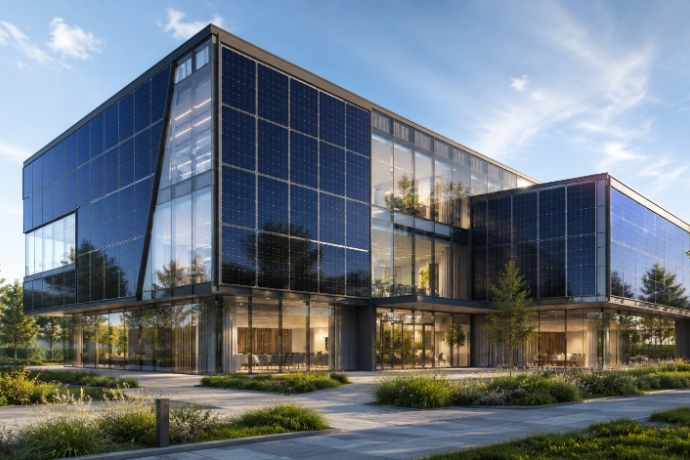
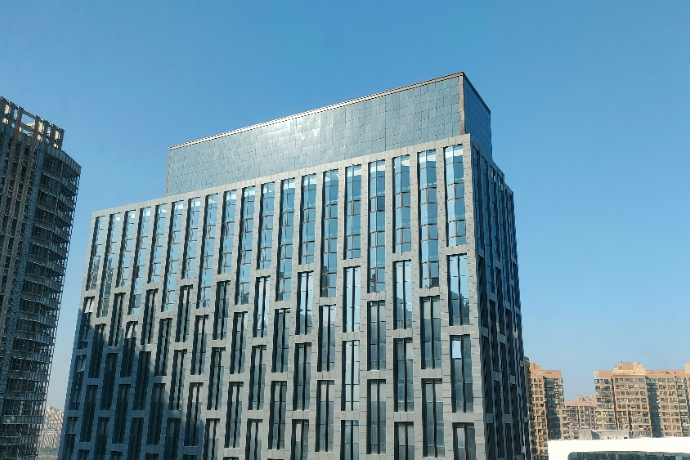
BIPV curtain walls have become one of the fastest-growing applications in modern urban architecture.
A curtain wall is the non-structural outer covering of a building. By replacing conventional glass panels with photovoltaic glass modules, developers can transform entire building envelopes into electricity-generating assets.
BIPV curtain walls are especially attractive for high-rise office buildings because they provide large surface areas for solar energy collection while maintaining a sophisticated appearance.
Modern photovoltaic curtain wall systems can be customized in different colors, transparency levels, and module configurations to meet architectural requirements.
· Office towers
· Government buildings
· Corporate headquarters
· Hotels
· Commercial complexes
· Large energy-generating surfaces
· Modern architectural appearance
· Improved thermal insulation
· Reduced building energy consumption
· Support for green building certifications
As cities continue to prioritize sustainability, BIPV curtain walls are increasingly viewed as a key component of future urban developments.
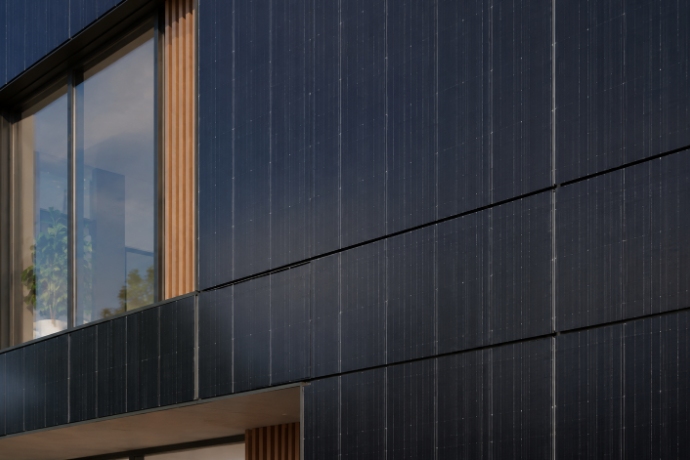
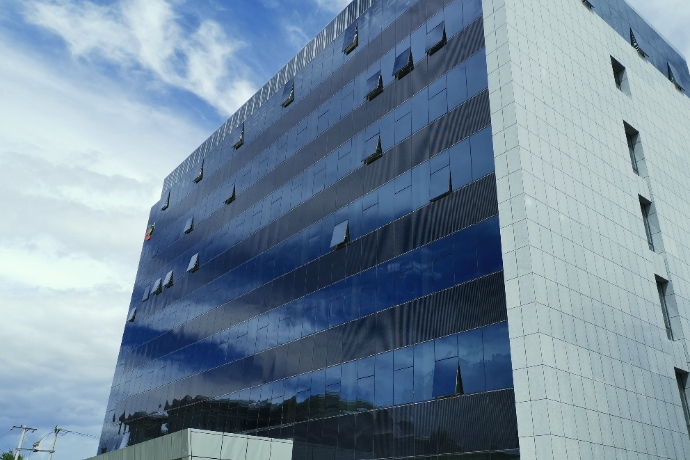
BIPV facades are similar to curtain walls but can be applied to a broader range of exterior wall systems.
Rather than relying solely on rooftop solar installations, photovoltaic facades allow architects to utilize vertical surfaces for power generation. This approach is particularly beneficial in dense urban environments where roof space may be limited.
Advancements in photovoltaic glass technology have enabled architects to incorporate colored panels, textured surfaces, and customized designs into facade systems without compromising energy performance.
· Commercial buildings
· Educational institutions
· Hospitals
· Mixed-use developments
· Public infrastructure projects
· Increased solar harvesting area
· Enhanced building aesthetics
· Reduced heat gain
· Better building envelope performance
· Improved sustainability ratings
Photovoltaic facades enable buildings to become active contributors to renewable energy production rather than passive energy consumers.
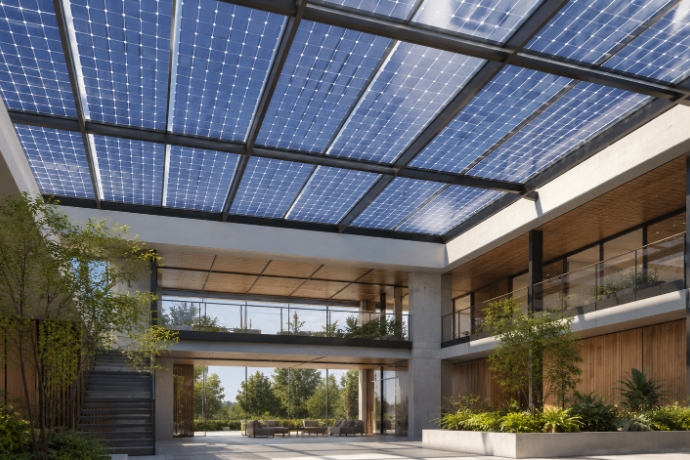
BIPV skylights combine daylighting and solar energy generation in a single building element.
These systems use semi-transparent photovoltaic glass that allows natural light to enter interior spaces while producing electricity. This dual functionality makes BIPV skylights particularly valuable in large commercial buildings where lighting energy consumption is significant.
By reducing the need for artificial lighting during daylight hours, BIPV skylights contribute additional energy savings beyond the electricity they generate.
· Airports
· Shopping malls
· Exhibition halls
· Railway stations
· Large atriums
· Natural daylight utilization
· Reduced lighting costs
· Improved indoor comfort
· Renewable energy generation
· Enhanced architectural design
Many modern transportation hubs now use BIPV skylights as part of their sustainability strategies.
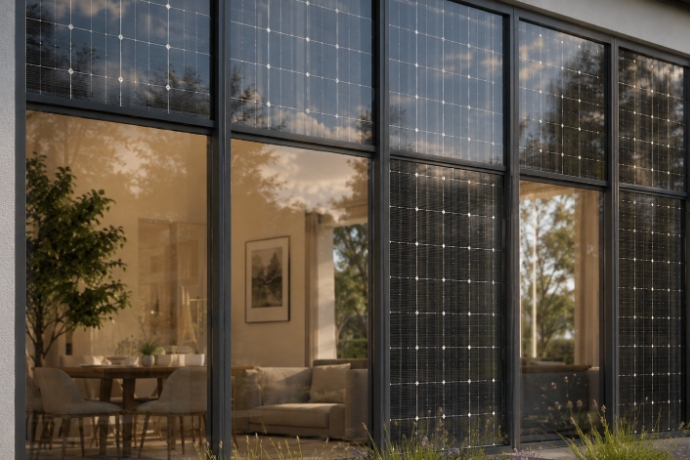
Solar glass windows represent one of the most innovative developments in the BIPV industry.
Unlike traditional photovoltaic modules, solar windows are designed to maintain transparency while generating electricity. Although power output is generally lower than opaque solar panels, the vast surface area available in modern buildings makes solar windows an attractive option.
Advances in transparent photovoltaic technologies continue to improve efficiency levels, making solar windows increasingly practical for commercial projects.
· Office buildings
· Residential towers
· Hotels
· Educational facilities
· Healthcare buildings
· Electricity generation from window surfaces
· Daylight transmission
· Reduced cooling loads
· Improved building efficiency
· Future-ready building design
Solar glass windows are expected to play an increasingly important role in next-generation net-zero buildings.
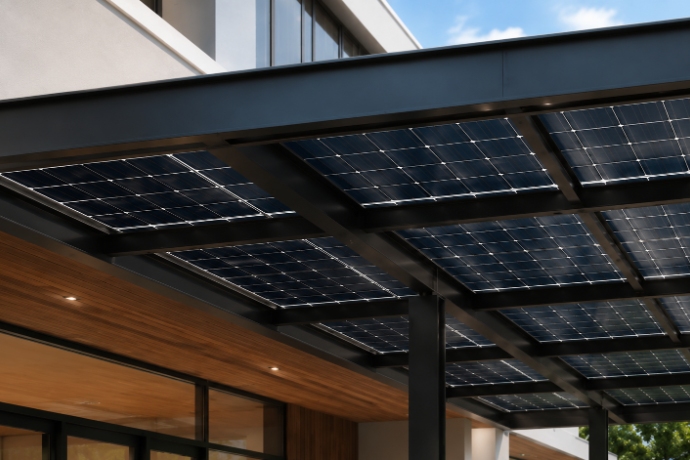
BIPV canopies transform outdoor covered spaces into productive energy-generating assets.
Traditional canopies provide shade and weather protection. When integrated with photovoltaic modules, they also contribute renewable electricity to the building or facility.
Canopies often receive excellent solar exposure because they are installed in open areas with minimal shading.
· Building entrances
· Walkways
· Public plazas
· Outdoor seating areas
· Transportation hubs
· Efficient use of open spaces
· Weather protection
· Additional renewable energy production
· Attractive architectural features
· Flexible installation options
BIPV canopies are increasingly used in campuses, commercial centers, and public facilities seeking visible sustainability features.
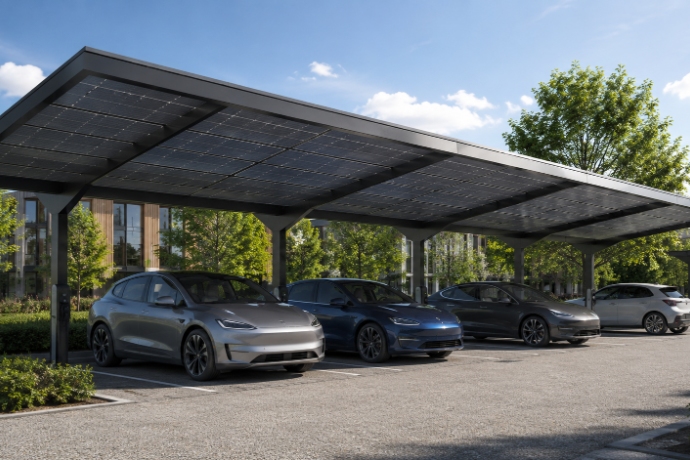
BIPV Carports are one of the most practical BIPV products for commercial projects.
Parking lots often occupy large areas that receive direct sunlight throughout the day. By installing photovoltaic structures above parking spaces, developers can convert these areas into renewable energy generators while simultaneously providing vehicle protection.
BIPV Carports are also ideal platforms for integrating electric vehicle charging infrastructure.
· Shopping centers
· Airports
· Universities
· Corporate campuses
· Industrial parks
· Dual use of parking areas
· Renewable electricity generation
· EV charging compatibility
· Reduced heat exposure for vehicles
· Strong sustainability branding
As electric vehicle adoption accelerates, BIPV Carports are becoming an increasingly strategic investment.
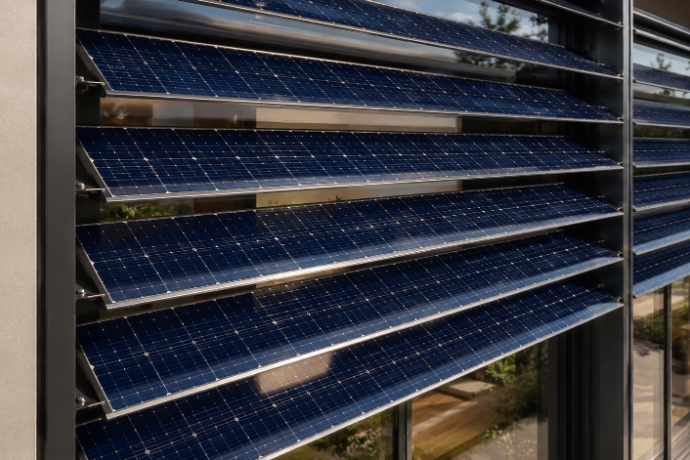
Sunshades and louvers are commonly used to reduce solar heat gain in buildings. By integrating photovoltaic technology into these architectural elements, designers can convert passive shading devices into active energy-generating systems.
These systems are particularly effective in warm climates where solar radiation is intense and cooling demand is high.
· Office buildings
· Educational facilities
· Healthcare centers
· Government buildings
· Commercial developments
· Reduced cooling energy demand
· Increased occupant comfort
· Additional electricity generation
· Enhanced building aesthetics
· Improved energy efficiency
BIPV louvers offer architects a unique opportunity to balance environmental performance and visual design.
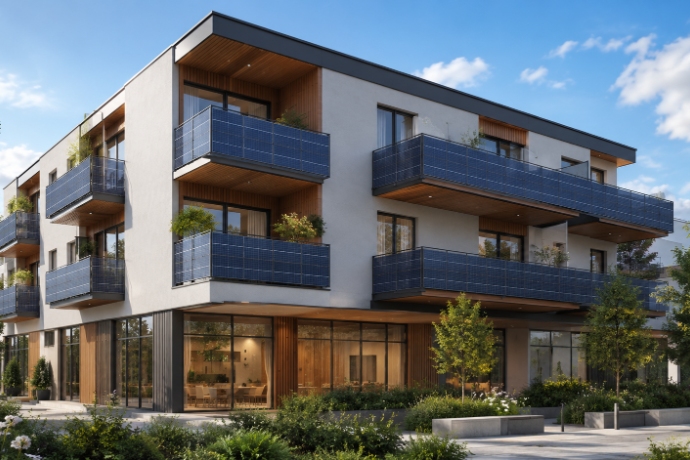
Photovoltaic balcony systems are becoming increasingly popular in urban residential developments.
These systems integrate photovoltaic modules into balcony railings, parapets, or protective barriers. They allow apartment residents to generate renewable energy even when rooftop access is unavailable.
As cities become more densely populated, photovoltaic balcony systems offer an effective solution for expanding renewable energy adoption in multi-family housing.
· Apartment complexes
· Residential towers
· Mixed-use developments
· Student housing
· Urban residential communities
· Utilization of otherwise unused surfaces
· Renewable energy generation for residents
· Attractive modern appearance
· Suitable for retrofit projects
· Enhanced sustainability credentials
Photovoltaic balcony systems are expected to become increasingly common as urban housing developments pursue net-zero energy targets.
BIPV products are rapidly transforming the construction industry by combining renewable energy generation with essential building functions. From BIPV roof tiles and solar roof systems to photovoltaic facades, curtain walls, skylights, and balcony systems, these technologies allow residential and commercial buildings to generate clean energy without sacrificing aesthetics or functionality.
As governments strengthen carbon reduction policies and developers pursue sustainable construction goals, demand for BIPV products will continue to grow. Architects, engineers, and property owners who adopt Building Integrated Photovoltaics today will be better positioned to meet future energy regulations, reduce operating costs, and create high-performance buildings that contribute to a cleaner and more sustainable future.