Sep. 28, 2026
As the building sector moves toward lower-carbon energy systems, photovoltaic technology is increasingly being considered as part of building design rather than as a separate energy installation. This has brought greater attention to Photovoltaic BIPV Solutions for Zero-Carbon Buildings, which integrate photovoltaic technology into roofs, facades, windows, walls, shading systems, and other building components.
Building-integrated photovoltaics (BIPV) differ from conventional rooftop solar because the photovoltaic system can serve as part of the building envelope itself. Depending on the project, BIPV elements may provide solar electricity while also functioning as roofing, facade cladding, glazing, or architectural shading.
However, BIPV should not be viewed as a standalone solution for achieving zero-carbon buildings. Its contribution depends on factors such as building energy demand, solar resources, building orientation, available surface area, system design, grid conditions, and the overall energy strategy. A practical BIPV project therefore requires coordination between architectural design, photovoltaic engineering, structural requirements, and building-energy management.
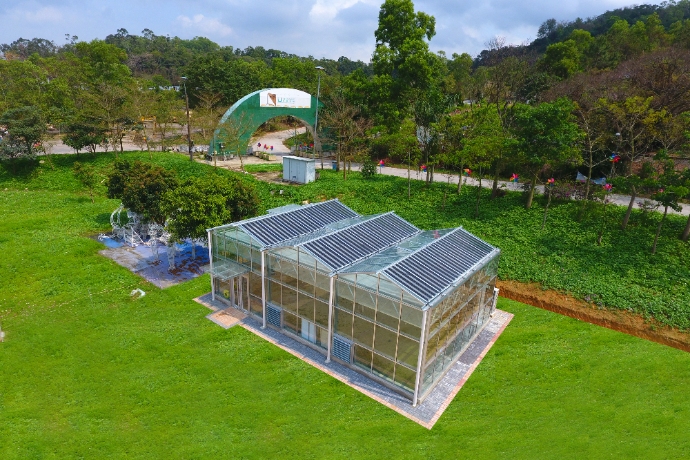
Traditional photovoltaic systems are often installed on rooftops or other open areas around buildings. While these applications remain important, urban buildings may have limited roof space relative to their energy demand.
BIPV provides another approach by incorporating suitable building surfaces into the solar-generation strategy. For example, a commercial building may use photovoltaic roofing, a solar façade, photovoltaic curtain walls, or semi-transparent photovoltaic glazing depending on its architectural design.
This approach can be particularly relevant for buildings with large façade areas or strict architectural requirements. Instead of adding solar modules after the building has been designed, BIPV can be considered during the architectural planning stage.
The IEA Photovoltaic Power Systems Programme notes that BIPV can integrate photovoltaic technology into roofs, façades, shading systems, and other building structures, while also emphasizing the importance of design, energy modelling, safety, operation, and maintenance.
One of the defining characteristics of BIPV is the integration of photovoltaic components with the building envelope.
A conventional solar panel mounted above a roof generally has one primary function: generating electricity. A BIPV component, by contrast, may also replace or perform the function of a conventional construction material.
For example:
· BIPV roofs can replace selected roofing materials.
· Solar façades can function as part of the external building envelope.
· Photovoltaic curtain walls can combine solar generation with façade design.
· BIPV glazing can be incorporated into selected windows, skylights, or atriums.
· Photovoltaic shading systems can provide solar control while generating electricity.
This multifunctional approach is one reason BIPV is increasingly discussed in the context of sustainable architecture and low-carbon building design.
At the same time, integration introduces additional technical requirements. A photovoltaic façade, for example, needs to meet relevant structural, weatherproofing, fire-safety, electrical, and building-envelope requirements rather than being evaluated only according to PV output.
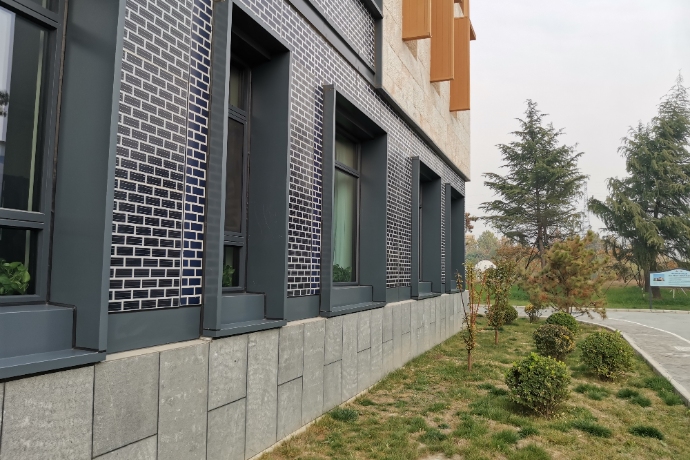
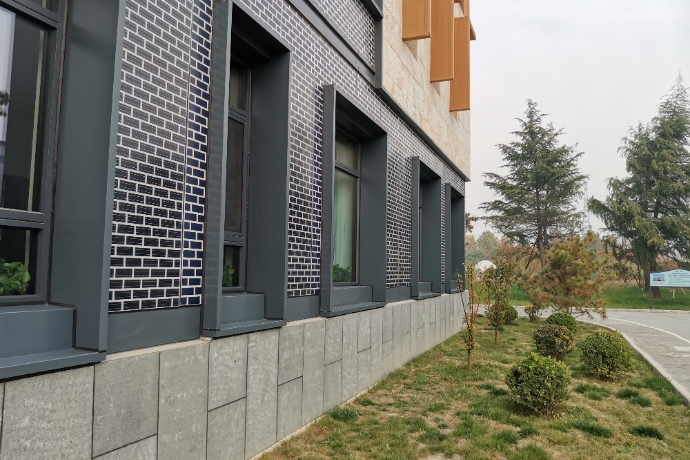
Facades are an important area of interest for BIPV because high-rise and commercial buildings can have considerably more façade area than roof area.
A BIPV facade can use opaque photovoltaic modules, customized solar panels, photovoltaic curtain walls, or other integrated components. The appropriate configuration depends on the building's orientation, shading conditions, architectural requirements, and energy objectives.
However, façade integration does not automatically mean that every available surface should be covered with photovoltaic modules.
Building orientation and surrounding structures can significantly affect solar exposure. Windows and transparent facades also need to meet requirements for daylight, visibility, thermal performance, and occupant comfort.
For this reason, BIPV façade design generally requires a balance between energy generation and architectural performance.
A 2026 study assessing BIPV across different urban structures and climate zones similarly found that the potential of rooftop and façade applications varies according to building characteristics, climate, installation suitability, and other site conditions.
Photovoltaic glazing represents another application of BIPV, particularly for buildings with large areas of glass.
Compared with conventional PV modules, photovoltaic glazing can be designed to provide different levels of transparency while generating electricity. This makes it potentially suitable for selected windows, skylights, curtain walls, atriums, and other glazed building elements.
However, photovoltaic windows involve trade-offs between electricity generation, transparency, solar control, thermal performance, and architectural requirements.
Environmental conditions can also affect their operation. For example, research published in 2026 examined the impact of dust accumulation on BIPV windows in semi-arid climates, highlighting the importance of environmental conditions and maintenance when evaluating facade-integrated PV systems.
Therefore, photovoltaic glazing should be selected according to the specific building and climate rather than being treated as a universal replacement for conventional glass.
The appropriate Photovoltaic BIPV Solution can vary significantly depending on building type.
Office buildings, hotels, retail centers, and other commercial properties may combine rooftop PV with photovoltaic facades, curtain walls, or shading systems.
Daytime electricity consumption can be an important consideration because building occupants may use lighting, HVAC, elevators, and other electrical systems during periods when solar generation is available.
Factories and warehouses often have large roof areas that can accommodate photovoltaic systems. Rooftop BIPV may therefore be an important component, while façades and skylights can provide additional opportunities where site conditions allow.
For industrial projects, the PV system should be evaluated together with the facility's electricity demand, operating schedule, roof structure, maintenance requirements, and potential energy-storage strategy.
High-rise buildings often have limited roof area compared with their total floor area. BIPV façades can provide additional surfaces for photovoltaic generation, although shading, orientation, installation access, structural requirements, and maintenance need to be considered carefully.
For large developments, BIPV can be planned across multiple buildings rather than as an isolated installation.
Rooftops, façades, parking structures, and other suitable surfaces can potentially be connected to a broader energy system that includes photovoltaic generation, energy storage, smart controls, and grid interaction.
This creates a shift from designing an individual solar installation toward planning an integrated building-energy system.
A suitable BIPV system requires more than selecting high-efficiency photovoltaic modules. Several factors should be evaluated during the early planning stage.
Solar resource and building orientation are fundamental considerations. The amount of available solar radiation, shading from nearby structures, façade direction, roof geometry, and local climate can all influence system performance.
Building-envelope performance is equally important. BIPV components may need to meet requirements for waterproofing, thermal insulation, structural loading, fire safety, wind resistance, and durability.
Architectural requirements should also be considered. Depending on the project, developers may require specific colors, module dimensions, transparency levels, surface finishes, or façade patterns.
Electrical system integration is another important consideration. The expected PV output should be evaluated alongside the building's electricity demand, energy-storage options, grid connection, and energy-management strategy.
Finally, operation and maintenance should be considered before installation. Cleaning, inspection, access, component replacement, and long-term performance can differ between rooftop PV, façade PV, and photovoltaic glazing.
BIPV can contribute to building decarbonization by providing renewable electricity directly at the building site. However, its role should be considered within a broader energy strategy.
A building's overall carbon performance is influenced by many factors, including energy efficiency, heating and cooling systems, electricity sources, building materials, operational practices, and renewable-energy generation.
As a result, Photovoltaic BIPV Solutions for Zero-Carbon Buildings are best understood as one component of an integrated low-carbon building strategy rather than a single technology capable of delivering zero-carbon performance on its own.
The future development of BIPV is likely to focus on better integration between photovoltaic technology and building design. Improvements in customized PV modules, photovoltaic glass, façade systems, energy management, digital building design, and installation methods could provide architects and developers with more options for incorporating solar generation into different types of buildings.
For building owners and project developers, the key consideration is therefore not simply how many photovoltaic modules can be installed, but how solar generation can be integrated with the building's architecture, energy demand, and long-term operating requirements.
1. IEA PVPS – Building-Integrated Photovoltaics: A Technical Guidebook
Provides technical guidance covering BIPV applications, design, energy modelling, safety, operation, and maintenance.
2. Nature Communications Sustainability – Carbon mitigation potential of building-integrated photovoltaics across diverse urban structures and climate zones in China
Published June 17, 2026; examines how building form, climate, orientation, and installation suitability affect BIPV carbon-mitigation potential.
3. Scientific Reports – Energy performance optimization of BIPV windows in dust-prone semi-arid climates
Published August 24, 2026; examines environmental and operational factors affecting BIPV window performance.
4. Singapore Urban Redevelopment Authority – BIPV and BAPV Guidelines
Provides practical information on the distinction between BIPV and BAPV and their integration into building roofs and façades.