Sep. 14, 2026
As photovoltaic technology becomes increasingly integrated with modern architecture, transparent Building-Integrated Photovoltaics (BIPV) are gaining attention for applications where conventional solar panels may not fit the building design. Transparent BIPV and traditional photovoltaic (PV) panels both convert sunlight into electricity, but they differ in structure, appearance, installation methods, light transmission, and typical applications.
Understanding these differences is important for architects, building owners, developers, and solar project designers when selecting a photovoltaic solution for a specific building.
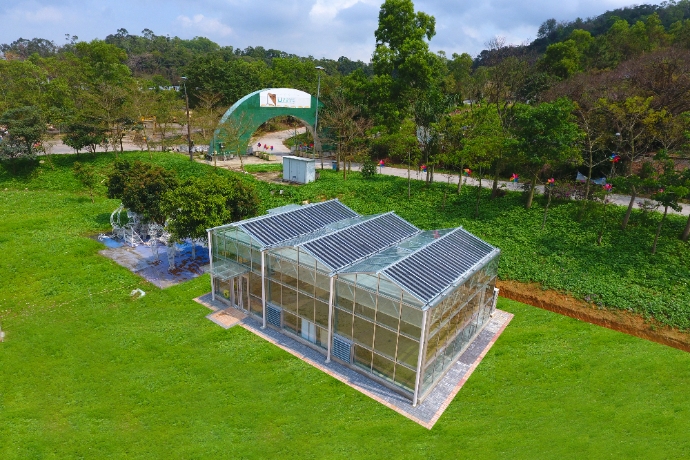
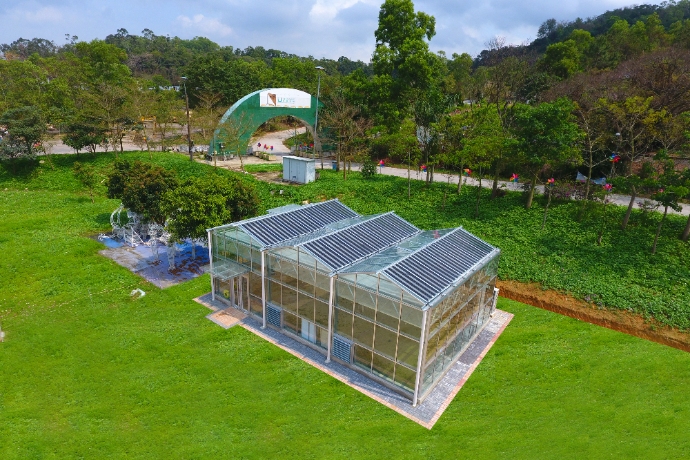
Transparent BIPV refers to photovoltaic components that allow a certain amount of visible light to pass through while generating electricity. They can be integrated into architectural elements such as windows, skylights, curtain walls, glass façades, and atriums.
The level of transparency can vary depending on the photovoltaic technology, cell arrangement, module structure, and design requirements. Some products are semi-transparent rather than fully transparent, providing a balance between daylight transmission and electricity generation.
Unlike conventional solar panels that are usually mounted on top of a building structure, transparent BIPV can become part of the building envelope. The photovoltaic element may therefore perform both an architectural function and an energy-generation function.
Traditional PV panels are primarily designed to generate electricity. They are commonly installed on rooftops, ground-mounted structures, solar carports, or other dedicated support systems.
Most conventional crystalline-silicon PV modules are opaque. Their photovoltaic cells are arranged to maximize sunlight absorption, meaning they generally do not provide the level of visible-light transmission required for conventional windows or transparent architectural surfaces.
Because traditional PV panels are typically installed as separate equipment, the building's roof or façade remains structurally independent from the photovoltaic system.
The most significant difference is the relationship between the photovoltaic system and the building.
Traditional PV panels are generally an additional component installed on or around a building. Transparent BIPV, by contrast, can replace or form part of an architectural element.
Feature | Transparent BIPV | Traditional PV Panels |
Primary function | Building integration + electricity generation | Electricity generation |
Light transmission | Transparent or semi-transparent | Generally opaque |
Typical applications | Windows, skylights, façades, curtain walls | Roofs, ground-mounted systems, solar carports |
Architectural integration | High | Usually limited |
Daylight transmission | Possible | Generally not available |
Installation | Integrated into building components | Mounted on a separate support structure |
Design flexibility | Can be customized for architectural applications | Primarily optimized for PV generation |
Design priorities | Energy, appearance, daylight, building performance | Energy generation, cost, system efficiency |
These differences do not mean that one technology is universally better than the other. The appropriate option depends on the building, site conditions, energy requirements, and project objectives.
Light transmission is one of the clearest distinctions between the two technologies.
Traditional PV panels are generally designed to absorb as much usable sunlight as practical for electricity generation. As a result, they are not normally used where daylight needs to pass through the photovoltaic surface.
Transparent BIPV takes a different approach. By using suitable cell configurations, spacing, materials, or photovoltaic glazing technologies, part of the incident light can pass through the module.
This makes transparent BIPV suitable for selected architectural applications where both daylight and solar electricity are required.
However, greater transparency can affect the amount of photovoltaic material exposed to sunlight. Therefore, there is typically a design trade-off between light transmission and electricity generation. The appropriate balance depends on the intended application.
Traditional PV panels are usually installed after the primary building structure has been designed. For example, rooftop modules can be mounted on a metal support system above an existing roof.
Transparent BIPV is more closely connected to architectural design. A photovoltaic glass unit may be designed as part of a curtain wall, window, skylight, or façade system.
This requires closer coordination between photovoltaic manufacturers, architects, façade engineers, structural engineers, and building contractors.
The photovoltaic system may need to satisfy requirements related to structural strength, weather resistance, thermal performance, fire safety, waterproofing, electrical safety, and long-term durability.
Consequently, transparent BIPV projects can involve a more complex design process than conventional rooftop PV installations.
Traditional PV panels are commonly used where there is sufficient open space and where maximizing electricity generation is the primary objective.
Typical applications include:
· Residential rooftops
· Industrial facilities
· Utility-scale solar farms
· Solar carports
· Ground-mounted solar systems
Transparent BIPV has a different application profile. It can be considered for areas where photovoltaic technology needs to coexist with architectural functions.
Typical applications include:
· Glass façades
· Windows
· Skylights
· Atriums
· Canopies
· Building entrances
· Semi-transparent architectural structures
For example, a commercial building with a large glazed façade may have limited opportunities to install conventional opaque PV panels on the façade. Transparent BIPV can provide an alternative where maintaining some level of daylight transmission is an architectural requirement.
The energy performance of transparent BIPV should not be compared with traditional PV panels using module efficiency alone.
Traditional PV modules are generally optimized for electricity production. Transparent BIPV has additional design requirements, including transparency, visual appearance, thermal performance, and architectural integration.
The amount of electricity generated by a transparent BIPV installation depends on several factors, including photovoltaic technology, transparency level, solar radiation, orientation, shading, module configuration, and installation location.
A transparent façade may therefore generate less electricity per unit area than an optimally oriented opaque PV array. However, the façade may provide access to building surfaces that would otherwise not be available for conventional rooftop solar.
The relevant comparison is therefore often building-level performance rather than module efficiency alone.
Traditional PV installation is generally based on a relatively standardized process. Modules are mounted onto a roof or ground structure, electrically connected, and integrated with the building or grid electrical system.
Transparent BIPV requires more detailed integration with the building envelope.
For example, a transparent BIPV façade may need to coordinate:
· Glass specifications
· PV module dimensions
· Structural connections
· Electrical cabling
· Waterproofing
· Thermal insulation
· Daylight requirements
· Façade maintenance
· Fire-safety requirements
This means that transparent BIPV is often most effective when considered during the early stages of architectural and engineering design rather than added after construction has been completed.
The choice between transparent BIPV and traditional PV panels depends primarily on the project's requirements.
Traditional PV panels may be suitable when the main objective is to generate electricity from available roof or ground space and there is no requirement for light transmission through the photovoltaic surface.
Transparent BIPV may be considered when the project requires photovoltaic generation on glazed or semi-transparent building surfaces while retaining some daylight transmission and architectural functionality.
For a warehouse with a large, unobstructed roof, conventional rooftop PV may be a straightforward option. For a high-rise office building with extensive glass façades, transparent BIPV may provide additional possibilities for integrating solar generation into the building envelope.
In some projects, the two technologies can also be used together. Rooftop PV can provide a major portion of solar generation, while BIPV façades, skylights, or canopies can supplement the system where appropriate.
The development of transparent and semi-transparent photovoltaic technologies is expanding the range of surfaces that can potentially generate solar electricity.
However, transparent BIPV should not be regarded simply as a replacement for traditional PV panels. The two technologies serve different design purposes and have different technical requirements.
Traditional PV remains well suited to applications where dedicated solar-generation space is available. Transparent BIPV provides another option for projects where photovoltaic generation needs to be integrated with windows, façades, skylights, and other architectural elements.
The key difference is therefore integration. Traditional PV panels primarily add a solar-generation system to a building, while transparent BIPV seeks to incorporate solar generation into the building itself.
For architects, developers, and building owners, selecting between the two should be based on the project's solar resource, building design, energy demand, daylight requirements, structural conditions, budget, and long-term maintenance strategy rather than on a single performance metric.